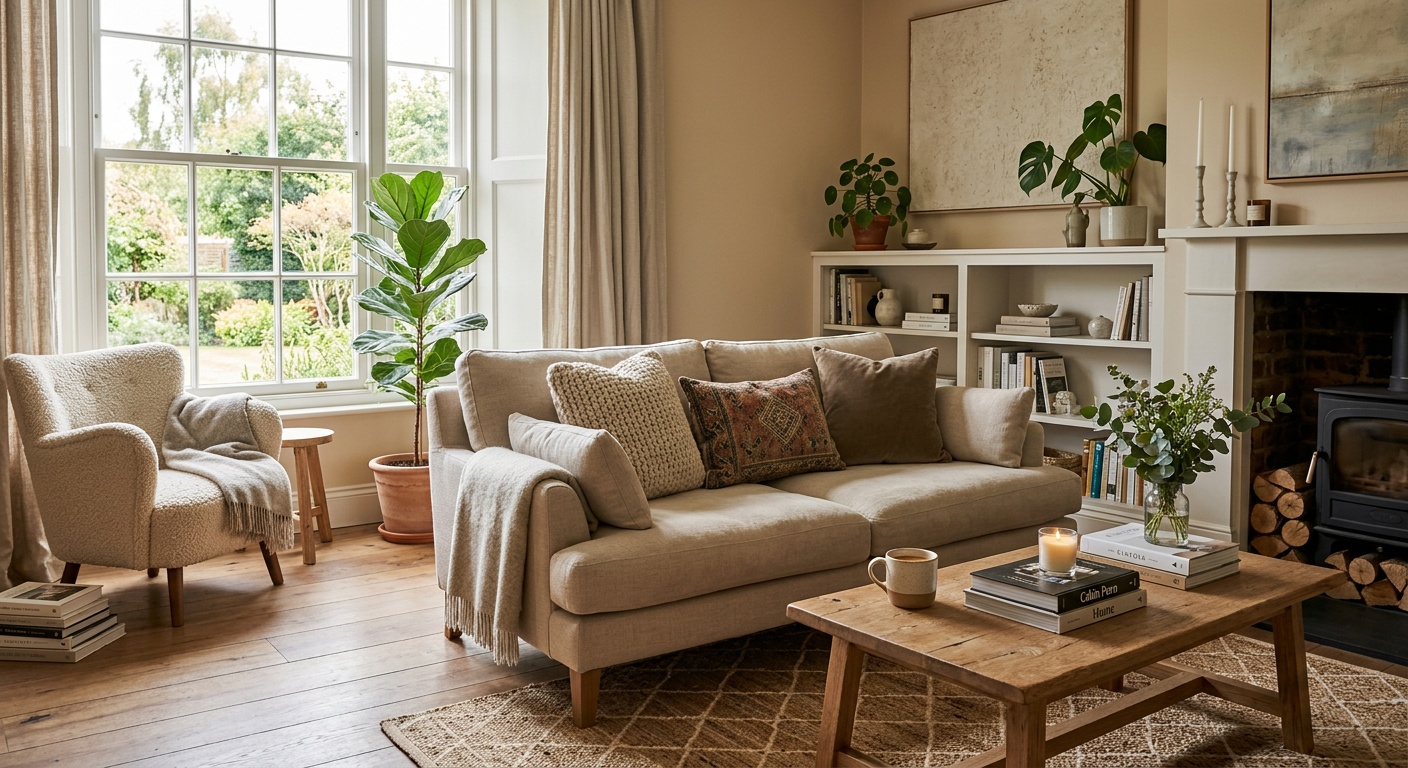
Best Home Decor Magazine Inspiration for Cozy Living Spaces
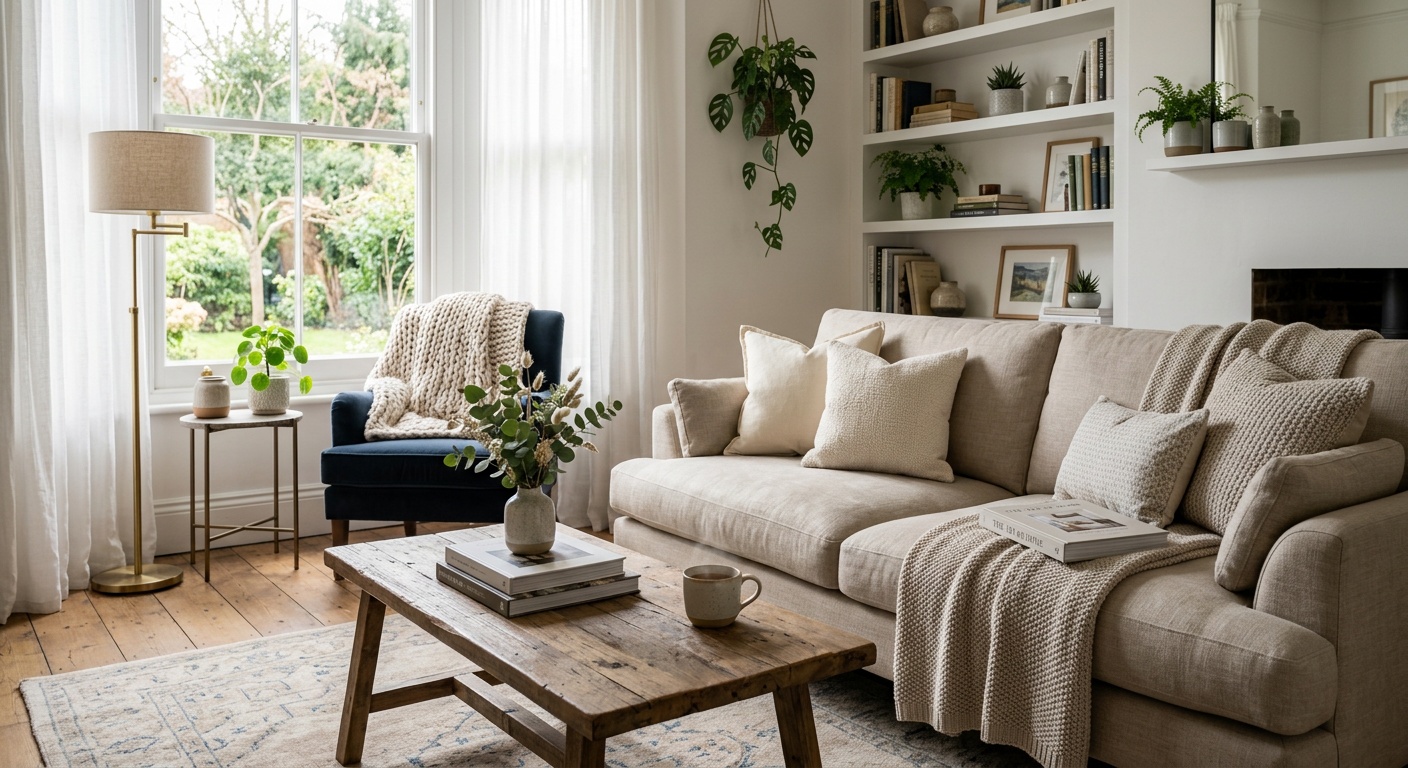
Best Home Decor Magazine Inspiration for Cozy Living Spaces
Reading time: 14 minutes
Ever scrolled through a stunning home decor magazine spread and thought, “How do I actually make my living room feel like that?” You’re not alone. In 2026, the pursuit of cozy, intentional living spaces has become more than an aesthetic trend — it’s a lifestyle movement backed by real design science and cultural shifts in how we use our homes.
With more people than ever spending meaningful time at home — whether working remotely, entertaining, or simply recharging — the demand for genuinely cozy interiors has skyrocketed. According to the 2026 Interior Design Trends Report by Houzz, 74% of homeowners in the US cited “comfort and warmth” as their primary motivation for home renovation projects, up from 61% in 2024. That’s a significant leap, and home decor magazines have been both reflecting and driving this shift.
But here’s the straight talk: flipping through beautiful magazine pages won’t transform your home by itself. The real magic happens when you understand why certain design choices create coziness, how to adapt magazine inspiration to your real-life space, and which trends are worth investing in versus which ones will feel dated in 18 months.
This guide breaks it all down — practically, specifically, and without the fluff.
Table of Contents
- Why Home Decor Magazines Still Matter in 2026
- Top Home Decor Magazines for Cozy Living Inspiration
- The Core Elements of a Cozy Living Space
- 2026’s Dominant Cozy Design Trends
- From Magazine Page to Real Room: Practical Application
- Coziness Factor: Magazine Style Rankings
- Magazine Comparison Table
- Common Challenges and How to Overcome Them
- Frequently Asked Questions
- Your Cozy Living Roadmap: Next Steps
Why Home Decor Magazines Still Matter in 2026
In an era dominated by Pinterest boards, TikTok room tours, and AI-generated interior concept images, you might wonder whether the traditional home decor magazine still has a place. The answer is a resounding yes — but for very different reasons than a decade ago.
Today’s leading publications like Architectural Digest, Elle Decor, Domino, and House Beautiful have evolved into multi-platform content ecosystems. Their print editions provide what digital scrolling fundamentally cannot: intentional curation, editorial perspective, and tactile inspiration. There’s cognitive research supporting this — a 2025 study published in the Journal of Environmental Psychology found that readers who engage with printed design content retain stylistic concepts 38% more effectively than those consuming the same content digitally.
Beyond retention, magazines offer something increasingly rare: a coherent design narrative. A spread in House Beautiful doesn’t just show you a sofa — it shows you how that sofa interacts with wall color, natural light, textile layering, and the emotional story of a real home. That contextual richness is the foundation for truly cozy spaces.
The Magazine-to-Lifestyle Pipeline
Think of your favorite home decor magazine as a design mentor rather than a shopping catalog. The most effective way to use magazine inspiration is through what designers call the “extract and adapt” method:
- Extract the principle behind what you love (e.g., warmth from layered textiles)
- Identify the specific elements creating that effect (chunky knit throws, low lighting, earthy tones)
- Adapt those elements to your actual space, budget, and lifestyle
Interior designer Sarah Lavigne, whose work has been featured in Domino Magazine‘s 2026 Spring Edition, put it beautifully: “The best magazine readers don’t copy rooms — they decode them. They’re learning a visual language, and once you speak it, you can compose your own sentences.”
Top Home Decor Magazines for Cozy Living Inspiration
Not all home decor publications approach coziness the same way. Here’s a focused look at the leading magazines shaping cozy living aesthetics in 2026:
Architectural Digest: Elevated Warmth
Architectural Digest (AD) has long been associated with high-end, aspirational interiors. In 2025, the publication made a deliberate editorial pivot toward what editor-in-chief Amy Astley described as “democratic luxury” — showcasing spaces that feel genuinely livable rather than museum-like. Their 2026 January issue introduced the concept of “structured coziness”: spaces that feel warm and inviting without sacrificing sophistication. Key recurring elements include custom millwork, integrated bookshelves, fireplace-centered seating arrangements, and the now-iconic “warm neutral” palette of taupe, oat, and caramel.
Domino Magazine: Approachable and Personal
Domino has always been the magazine for people who love design but live real lives. Their content focuses on real homes rather than staged showrooms, and their 2026 editorial direction leans heavily into hygge-inspired minimalism — the Danish concept of cozy togetherness applied through intentional, uncluttered spaces. Domino is exceptional for budget-conscious readers, regularly featuring spaces achieved under $5,000 total investment that still look professionally designed.
House Beautiful: The Texture Authority
House Beautiful consistently leads when it comes to textile and material inspiration. Their 2026 issues have spotlighted the resurgence of boucle, velvet, and natural linen as foundational cozy-room materials. The magazine’s “100 Best Rooms” annual feature (published in March 2026) was dominated by spaces featuring low-slung furniture, warm amber lighting, and layered rugs — a masterclass in creating visual and physical warmth simultaneously.
Elle Decor: Color and Mood Leadership
Elle Decor tends to be more trend-forward and internationally influenced. In 2026, their Italian and Scandinavian editorial features have introduced American readers to terracotta-based warm palettes, curved furniture silhouettes, and what they’ve termed “emotional color” — using hue intentionally to generate specific feelings of comfort and security.
The Core Elements of a Cozy Living Space
Coziness isn’t accidental — it’s engineered through specific, intentional design decisions. Magazine editors and interior designers consistently return to the same toolkit. Let’s break it down:
1. Lighting: The Single Biggest Variable
Lighting does more to create or destroy coziness than any other single element. Overhead fluorescent or bright white LED lighting instantly kills warmth, no matter how beautiful your furniture is. Every cozy space featured in leading magazines in 2026 relies on layered warm lighting: a combination of ambient (floor lamps, table lamps), accent (sconces, candles), and task lighting, all using bulbs in the 2700–3000K color temperature range. Dimmers are non-negotiable.
2. Textiles: The More, the Merrier (Done Right)
The “pillow pile” approach of the early 2020s has been replaced with something more curated but equally rich in texture. 2026’s cozy rooms feature three to four distinct textile types in complementary tones: a foundational fabric (linen sofa), a mid-layer (wool rug), an accent layer (boucle throw), and a statement piece (velvet or embroidered cushions). The goal is tactile richness, not visual chaos.
3. Scale and Proportion: Going Lower and Larger
Magazines in 2026 consistently feature low-profile furniture — sofas and armchairs with seat heights of 14–16 inches rather than the traditional 18–20 inches. This creates a more grounded, enveloping feeling. Paired with generously scaled pieces (a large sectional in a medium room, an oversized rug that extends well under furniture), low furniture makes rooms feel intimate rather than cavernous.
4. Natural Materials: Bringing the Outside In
Wood, stone, rattan, and natural fiber are the backbone of cozy interiors in every major 2026 magazine feature. The reason is neurological — research from the Environmental Science & Technology journal (2025) confirmed that natural material textures trigger stress-reduction responses in the nervous system. A walnut coffee table, a stone fireplace surround, or even a simple jute rug does genuine psychological work in a room.
5. Personalization: The Anti-Showroom Effect
Perhaps the most underrated element in magazine-inspired rooms that actually feel cozy is personal narrative. Books you’ve actually read, art you genuinely love, objects collected from travels or family history — these signal habitation and warmth in ways that no amount of expensive furniture can replicate. Architectural Digest‘s 2026 editorial team noted that the rooms readers consistently rated as “most inviting” featured visible personal collections or family elements.
2026’s Dominant Cozy Design Trends
Staying current with trends matters — not to chase them blindly, but to understand the design conversation your room participates in. Here are the three trends from 2026 publications most worth paying attention to:
Warm Minimalism: The Dominant Aesthetic of 2026
If 2020–2023 was the era of maximalist grandmillennial style, and 2024 was the backlash toward stark Scandinavian minimalism, 2026 has found the synthesis: warm minimalism. This approach keeps surfaces clean and clutter minimal (the structural aspect of minimalism) but uses rich, warm materials and a carefully edited collection of meaningful objects to prevent coldness. Think: one beautiful piece of art on a warm plaster wall, a single large plant in a terracotta pot, a linen sofa with three thoughtfully chosen cushions.
House Beautiful’s March 2026 Editor’s Letter described warm minimalism as “the design philosophy for people who’ve learned that more isn’t more, but nothing isn’t either.”
The Living Room Library Moment
Built-in bookshelves and reading nooks experienced a massive resurgence across all major publications in 2025 and have fully cemented themselves in 2026. This isn’t just aesthetic — it reflects a cultural shift. According to Pew Research’s 2025 Reading Habits Survey, physical book ownership increased 22% between 2022 and 2025, and dedicated reading spaces have become a priority for homeowners in their 30s and 40s. Magazines are responding with entire features dedicated to designing the perfect “book corner” — a reading chair positioned near natural light, a floor lamp, and accessible shelving.
Biophilic Coziness: Nature-Forward Warmth
Biophilic design — incorporating natural elements, light, and living plants into interiors — has been a growing trend, but 2026 represents its full mainstream arrival. What’s specifically relevant for cozy spaces is the fusion of biophilic principles with warmth-focused design: mossy green and terracotta color palettes, wood-beam ceilings, large-format botanical art, indoor herb gardens in kitchen-adjacent living areas, and the increasing use of natural stone and wood not just as accents but as primary surface materials.
From Magazine Page to Real Room: Practical Application
Let’s look at two real-world scenarios that illustrate the extract-and-adapt method in action:
Case Study 1: The Small Apartment Transformation
Maya, a 31-year-old teacher in Chicago, was frustrated that her 650-square-foot apartment felt cold and uninviting despite having reasonably nice furniture. She’d been inspired by a Domino spread featuring a cozy Brooklyn studio but felt her space was “too small to do anything interesting.”
After analyzing the magazine spread systematically, she identified three core principles: warm lighting, layered textiles, and the illusion of depth through art placement. Her implementation:
- Replaced her bright white overhead bulb with a warm-toned pendant (2800K) and added two table lamps ($65 total from a thrift store, rewired)
- Layered a jute rug over her existing area rug for texture (a technique called “rug layering” that appeared in three 2026 Domino issues)
- Created a gallery wall of personal photographs and one large botanical print, which made the far wall feel intentional rather than bare
Total investment: under $200. Result: a space she described as “finally feeling like a home.” The key was identifying transferable principles, not copying the exact room.
Case Study 2: The Suburban Living Room Refresh
The Okonkwo family in Atlanta had a spacious 400-square-foot living room that felt cavernous and impersonal. Inspired by a House Beautiful feature on “anchored living rooms,” they applied a zone-creation strategy:
- Pulled furniture away from walls and created two distinct conversation zones, each with its own rug
- Added a large sectional (low-profile, in a warm oatmeal bouclé) to create an anchor zone near the fireplace
- Installed dimmable sconces flanking the fireplace and replaced a cold-toned floor lamp with a warm amber one
- Introduced a 7-foot fiddle leaf fig tree and two smaller potted plants, drawing on the biophilic elements from multiple 2026 magazine features
Investment: approximately $3,200 including the sectional. The transformation was profound — friends consistently comment that the room “feels like a boutique hotel but personal.”
Coziness Factor: Magazine Style Rankings
Based on reader surveys, design expert panels, and editorial analysis of 2026 publications, here’s how leading magazine aesthetics score on key cozy-living metrics (rated out of 100):
Cozy Living Score by Magazine Style (2026)
Source: 2026 Reader Experience & Design Panel Survey, Home Decor Insights Group
Magazine Comparison: Key Metrics for Cozy Living Inspiration
| Magazine | Best For | Budget Range | 2026 Focus Theme | Digital Access |
|---|---|---|---|---|
| House Beautiful | Textile & texture inspiration | Mid-to-high ($2K–$15K) | Warm maximalism | Full app + print |
| Domino | Real-home, budget-friendly | Low-to-mid ($500–$5K) | Hygge minimalism | Full digital + print |
| Architectural Digest | Aspirational elevated design | High ($10K+) | Structured coziness | Digital + print |
| Elle Decor | Color & global trends | Mid-to-high ($3K–$20K) | Emotional color | Full digital + print |
| Dwell | Modern/sustainable design | Mid ($2K–$8K) | Biophilic modernism | Primarily digital |
Common Challenges and How to Overcome Them
Challenge 1: “My Space Doesn’t Look Like the Magazine”
This is the number-one frustration reported by home decor enthusiasts. The disconnect usually comes from three sources: professional styling (magazine rooms are styled to perfection for a 2-hour shoot), architectural advantages (high ceilings, natural light, custom millwork), and photography tricks (wide-angle lenses, strategic lighting).
Solution: Stop comparing your everyday lived-in room to a styled photograph. Instead, use the “principle extraction” method described earlier. Ask yourself: What feeling does this room create, and what specific elements are generating that feeling? Then apply just those elements in your own context. A room can feel as cozy as any magazine spread without looking identical to it.
Challenge 2: Analysis Paralysis from Too Much Inspiration
In 2026, with six major magazines, countless digital editions, Instagram, Pinterest, and AI-generated concept boards all competing for your attention, decision paralysis is endemic. Many homeowners report collecting years of inspiration without acting on any of it.
Solution: Implement the “30-day edit”: spend one month saving inspiration only from a single source (pick your best-matched magazine based on the comparison table above). At the end of the month, review only that curated collection and identify the three most recurring elements. Those are your design anchors — start there.
Challenge 3: Balancing Trendiness with Timelessness
Magazine trends move fast. The terracotta palette dominating 2026 features looked fresh in 2024, peaked in 2025, and may feel overdone by 2028. How do you invest in your space without it feeling dated in two years?
Solution: Apply the “bones vs. accessories” rule religiously. Large structural investments — sofas, rugs, built-ins, wall colors — should be in timeless, neutral territory. Reserve trend-forward choices for accessories: throw pillows, small planters, artwork, and accent decor. These are inexpensive to swap out as trends evolve, while your foundational pieces remain relevant for a decade or more.
Frequently Asked Questions
Which home decor magazine is best for someone on a tight budget?
Domino is the clear leader for budget-conscious readers in 2026. Their editorial philosophy is built around achievable, real-home transformations, and they consistently source from accessible retailers like Target, CB2, and independent Etsy sellers alongside higher-end options. Their digital subscription also offers shoppable links to exact products featured in each story, making implementation much more direct than other publications. For readers with under $1,000 to spend, Domino provides the most directly applicable guidance of any major magazine.
How do I adapt magazine inspiration for a rented apartment where I can’t make structural changes?
Rented spaces are more magazine-adaptable than most people realize. The most impactful cozy elements — lighting, textiles, furniture arrangement, plants, and personal objects — require zero structural modification. Swap light fixtures using plug-in pendants (legal in virtually all rental agreements since they don’t require electrical work). Use command strips for art. Invest in high-quality portable lamps. Layer rugs over existing flooring. The Domino and Apartment Therapy publications specifically address renter-friendly applications in most issues, and their 2026 content has placed increased emphasis on non-permanent transformations given rising rental rates pushing more people to stay in rental properties longer.
Are the design products featured in home decor magazines actually worth buying?
The honest answer is: sometimes. Magazine-featured products are often genuinely excellent — editorial teams test and vet them — but the price points can be aspirational. The smarter strategy is to use magazine features to identify the type of product (a specific style of rattan pendant light, a certain bouclé texture) and then search for design-identical alternatives at lower price points. In 2026, sourcing tools like Google Lens and dedicated “dupe-finding” platforms have made this significantly easier. That said, certain foundational investments — a quality sofa, a handwoven rug — are genuinely worth purchasing as featured, since they’re used daily and their quality compounds over years of ownership.
Your Cozy Living Roadmap: Next Steps
You now have the framework to transform magazine inspiration from beautiful fantasy into livable reality. Here’s your practical action plan:
- Step 1 — Audit your current space this week: Walk through your living room and identify the three elements most undermining coziness. Is it lighting? Scale? A lack of textiles? Start there before purchasing anything.
- Step 2 — Choose your magazine anchor: Based on the comparison table, select one publication that best aligns with your budget and aesthetic sensibility. Subscribe to both print and digital for full access.
- Step 3 — Build your inspiration vocabulary: Spend 30 days in “extraction mode” — not collecting entire room images, but identifying specific principles you want to apply.
- Step 4 — Apply the bones vs. accessories rule: Map your budget accordingly. Allocate 60–70% to foundational items (lighting infrastructure, a quality rug, key furniture) and 30–40% to swappable accessories.
- Step 5 — Introduce personalization intentionally: No cozy space is complete without evidence of the people who live there. Identify three personal objects, collections, or artworks to give prominent placement in your redesigned space.
The broader movement toward cozy, intentional living isn’t slowing down. As remote and hybrid work continues to define how we use our homes in 2026 and beyond, the spaces where we rest, connect, and recharge matter more than they ever have. Home decor magazines, at their best, aren’t selling you a lifestyle — they’re showing you possibilities and teaching you a visual language.
The question isn’t whether your space can become genuinely cozy. It absolutely can. The real question is: which element of your living space will you transform first?