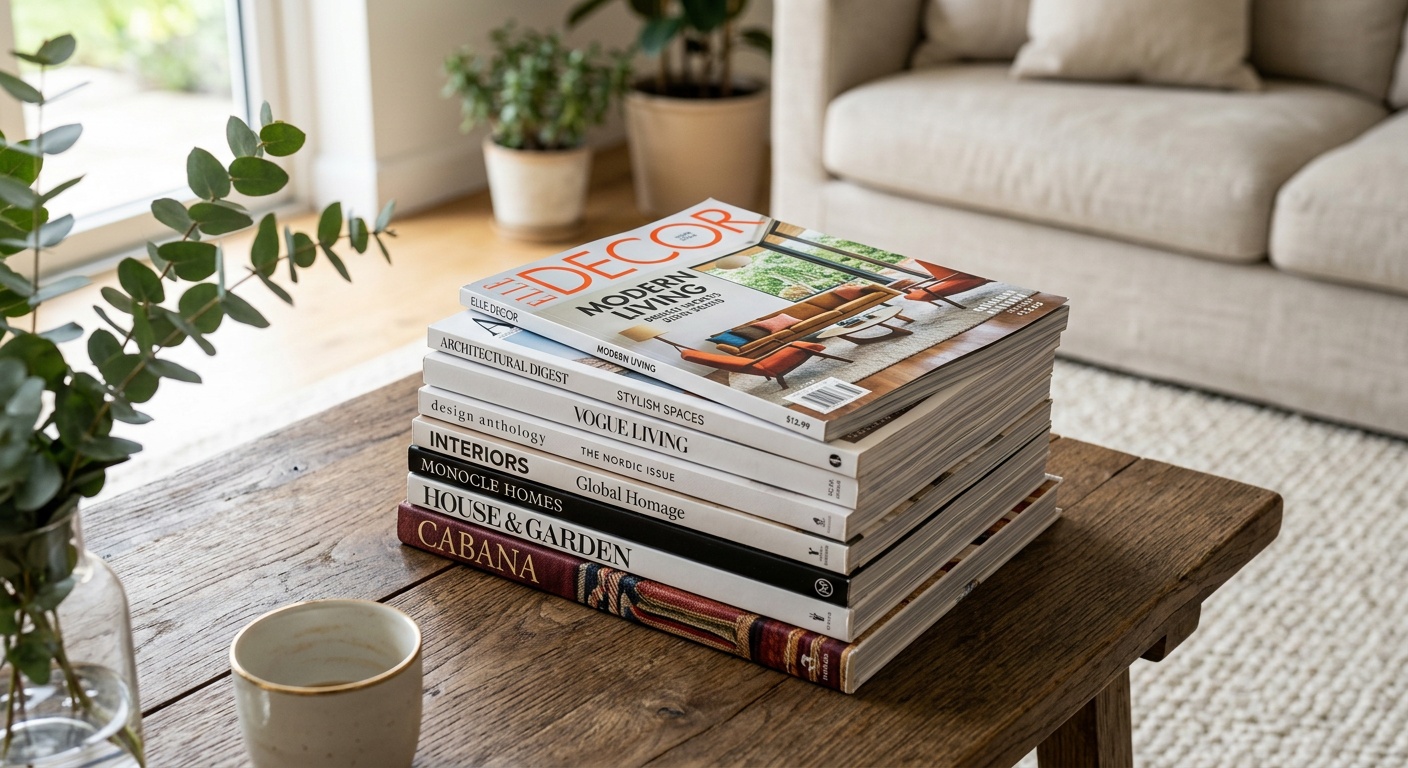
Home Improvement Magazine Picks and Room Refresh Ideas for 2026
Home Improvement Magazine Picks and Room Refresh Ideas for 2026
Reading time: 14 minutes
Let’s be honest — scrolling through home improvement content can feel like drinking from a fire hose. Shiplap here, terrazzo there, and suddenly everyone’s obsessed with japandi aesthetics. If you’ve ever stood in the middle of your living room wondering where to even begin, you’re not alone.
Here’s the straight talk: A room refresh in 2026 isn’t about gut-renovating your entire home or blowing your savings on a single accent wall. It’s about strategic, intentional updates that align with how you actually live — not just how a room looks in a magazine spread.
This guide draws on the best picks from leading home improvement publications, real-world renovation data, and emerging design trends to give you a clear, actionable path forward — whether you’re a first-time decorator or a seasoned DIY enthusiast.
Table of Contents
- Why 2026 Is the Year to Refresh Your Space
- Top Magazine Picks for 2026
- Room-by-Room Refresh Strategies
- Dominant Design Trends Reshaping Interiors
- Budget Breakdown: Where to Splurge vs. Save
- Common Challenges and How to Overcome Them
- 2026 Home Improvement Priorities at a Glance
- Trend Comparison Table
- Frequently Asked Questions
- Your Room Refresh Roadmap: Next Steps
Why 2026 Is the Year to Refresh Your Space
If 2025 was the year homeowners finally exhaled after years of supply chain disruptions, 2026 is the year they’re acting. According to the National Association of Home Builders (NAHB), home improvement spending in the U.S. is projected to reach $485 billion in 2026 — a 9% increase over 2025 figures. Material costs have stabilized significantly, skilled contractor availability has improved, and consumers are leaning into “nesting” culture more than ever.
Post-pandemic living permanently shifted how we use our homes. The home office is no longer a luxury — it’s a baseline. Multifunctional spaces are standard. And increasingly, homeowners are asking: Does this space support my well-being, or just my Instagram feed?
The magazines that matter — Architectural Digest, Better Homes & Gardens, House Beautiful, and Dwell — have all pivoted their 2026 editorial focus toward purposeful design: rooms built for real life, not just photogenic moments. That’s an important shift, and it should guide how you approach your own refresh.
“The best interiors of 2026 are ones that quietly support your daily rhythm without demanding constant maintenance or visual noise.” — Amy Astley, Editor-in-Chief, Architectural Digest
Top Magazine Picks for 2026
Let’s dig into what the most trusted home improvement publications are actually recommending this year — not just aesthetically, but practically.
Better Homes & Gardens: The Livability Leaders
BH&G’s 2026 annual home guide doubles down on what they call the “Everyday Luxury” movement — elevating the mundane. Their top picks include:
- Layered lighting systems — moving beyond a single overhead fixture to combine ambient, task, and accent lighting in every room.
- Sustainable upholstery fabrics — performance fabrics made from recycled ocean plastics that are stain-resistant and durable enough for families.
- Built-in charging stations integrated into cabinetry and sideboards, reducing visible cable clutter.
- Biophilic design accessories — living wall panels, moss art, and large-format plant shelving systems that bring nature indoors.
Their flagship product pick for 2026? The Restoration Hardware Cloud Modular Sofa System — a reconfigurable sofa that adapts as your family grows or your floor plan changes.
Architectural Digest: The Aesthetics Architects
AD’s 2026 coverage leans heavily into what they’ve labeled “Quiet Maximalism” — a philosophy that rejects both stark minimalism and chaotic maximalism in favor of curated richness. Think: deep jewel-toned bookshelves stacked with meaningful objects, vintage rugs layered over modern tile, and architectural details (moldings, arches, niched shelving) that give character without overwhelming.
Key product highlights from AD’s 2026 editors include:
- Curved furniture — especially arched sofas, kidney-shaped coffee tables, and rounded mirrors. The rigid, sharp-cornered furniture era is officially over.
- Handcrafted ceramics and artisan pottery as decorative focal points rather than mass-produced vases.
- Statement ceilings — painted in deep, unexpected colors or adorned with wallpaper to create a “fifth wall” that commands attention.
Dwell Magazine: The Sustainability Standard-Bearers
Dwell has always had a modernist, sustainability-forward perspective, and 2026 is no different. Their editors are championing material transparency — knowing exactly where your furniture, paint, and textiles come from and what impact they have. Their top 2026 picks include low-VOC (volatile organic compound) paints from brands like Clare and Backdrop, furniture made from certified sustainably sourced wood, and smart home energy management systems that help homeowners track and reduce their consumption in real time.
Room-by-Room Refresh Strategies
Now let’s get practical. A room refresh doesn’t have to mean a full renovation. Sometimes the most transformative changes come from rethinking what’s already there.
Living Room: The Social Anchor
Your living room sets the emotional tone of your home. In 2026, the winning formula combines flexible seating arrangements, improved acoustics, and a defined focal point that isn’t necessarily the television.
Quick Scenario: Imagine you have a 14×18 ft living room dominated by a large sectional aimed at a wall-mounted TV. The room feels like a cinema — functional, but cold. A simple refresh might involve:
- Repositioning the sofa to create a conversation area with a coffee table at the center.
- Adding a secondary focal point — a gallery wall, a large architectural plant, or a fireplace surround.
- Introducing a second light source (floor lamp or table lamp) to break the reliance on harsh overhead lighting.
- Layering a large-format area rug to define the seating zone and improve acoustics.
Cost estimate for this type of refresh? Typically between $800–$2,500 depending on whether you invest in new furniture pieces or simply rearrange and accessorize existing ones.
Kitchen: Functional Beauty in 2026
The kitchen remains the highest-ROI room for home improvement investment. According to Remodeling Magazine’s 2025–2026 Cost vs. Value Report, a minor kitchen remodel returns an average of 81.6% of costs at resale — the highest of any renovation category.
But “remodel” doesn’t mean “gut renovation.” Some of the most impactful kitchen refreshes in 2026 are happening through:
- Cabinet repainting or refacing — swapping tired oak for painted deep navy or forest green.
- Hardware swaps — replacing dated brass or chrome pulls with matte black or unlacquered brass for an instant upgrade. Cost: often under $200.
- Statement backsplash additions — zellige tile, handmade Moroccan-inspired pieces, or even peel-and-stick options for renters.
- Open shelving conversions — removing upper cabinet doors to create an airy, styled display area.
Bedroom: The Sleep Sanctuary Revolution
Sleep health has become a mainstream wellness priority, and in 2026, bedroom design reflects it. The trend is moving away from overly styled, furniture-heavy bedrooms and toward sensory-conscious spaces that prioritize restful sleep cues.
Key elements include blackout curtains or motorized shades, temperature-regulating bedding (look for Tencel or bamboo fabric blends), minimal visual clutter, and warm-toned lighting with dimmer controls. Wall colors are trending toward muted earth tones — clay, warm taupe, dusty terracotta — that signal rest to the nervous system.
Home Office: Intentional Productivity Zones
The home office matured significantly between 2023 and 2025. By 2026, we’re seeing a shift from “spare room converted to office” toward truly intentionally designed workspaces that reduce cognitive fatigue.
Ergonomic investment is front and center: standing desks, monitor arms, acoustic panels (which now double as stylish wall art), and task lighting calibrated to reduce eye strain. Magazine editors are also pushing for visual separation from living spaces — whether through curtains, room dividers, or even a distinct paint color zone that psychologically signals “work mode.”
Dominant Design Trends Reshaping Interiors
Design trends in 2026 aren’t arbitrary — they’re a response to how people’s lives have changed. Here’s a breakdown of the movements most worth paying attention to:
1. Warm Minimalism
Cold, stark white interiors are losing ground to spaces that are simple but warm. Think natural wood tones, linen textiles, terracotta accents, and soft, curved lines. Less visual noise, more tactile comfort.
2. Heritage Revival
Antiques, heirloom pieces, and vintage finds are being intentionally mixed with contemporary furniture. This isn’t about “shabby chic” — it’s about authenticity and the story objects tell. Estate sales, vintage markets, and platforms like Chairish have exploded in popularity as sources for these pieces.
3. Smart Home Integration Without the Gadget Graveyard
By 2026, smart home technology has matured to the point where it can be invisible. Automated shading, smart lighting systems, and integrated sound systems are being built into homes without dominating the aesthetic. The goal is for tech to serve the room, not define it.
4. Sustainable & Circular Design
With growing consumer awareness around environmental impact, circular design principles — buying less, reusing more, choosing durable materials — are influencing purchase decisions significantly. A 2025 survey by IKEA found that 67% of U.S. consumers actively consider sustainability when making home furnishing purchases, up from 51% in 2023.
Budget Breakdown: Where to Splurge vs. Save
One of the most useful frameworks for any room refresh is knowing which investments are worth the premium price tag and which categories offer excellent value at lower price points.
Splurge on:
- Sofas and mattresses — you interact with these daily. Quality here pays dividends in comfort and longevity.
- Area rugs — a well-made rug anchors a room and lasts decades. Cheap rugs pill, curl, and look tired within 2–3 years.
- Window treatments — custom drapery dramatically elevates any room’s perceived quality.
- Kitchen appliances — integrated, panel-ready appliances are worth the cost if your kitchen layout allows for them.
Save on:
- Decorative accessories — vases, trays, small sculptures. These shift with your taste and don’t need to be expensive.
- Accent chairs — many mid-range brands offer excellent design at accessible price points.
- Throw pillows and blankets — refreshed seasonally; no need to over-invest.
- Paint — even premium paint brands are relatively affordable compared to furniture. This is one of the highest-impact, lowest-cost updates available.
Common Challenges and How to Overcome Them
Even the best-intentioned room refresh can hit roadblocks. Here are the three most common obstacles homeowners face in 2026 — and practical strategies for navigating each one.
Challenge 1: Decision Paralysis from Trend Overload
With social media algorithms serving up hundreds of design ideas daily, many homeowners freeze entirely rather than commit to a direction. Japandi or maximalism? Warm tones or moody darks? Vintage or ultra-modern?
Solution: Start with your existing anchor pieces — items you love and won’t be replacing. Build your palette and style direction outward from those. Your beloved mid-century credenza isn’t a constraint; it’s your design compass. Create a simple mood board (Pinterest works perfectly) limited to just 12–15 images, and look for the common threads. That common thread IS your style.
Challenge 2: Renovation Costs Creeping Beyond Budget
Even with stabilized material costs in 2026, renovation projects have a notorious tendency to expand. A 2025 HomeAdvisor survey found that 43% of homeowners reported their renovation projects going over budget, with an average overrun of 22%.
Solution: Build a 20% contingency buffer into every project budget from the start — not as a stretch goal, but as a baseline expectation. Prioritize changes by impact-to-cost ratio: paint, lighting, and hardware almost always deliver the highest visual impact per dollar spent. Tackle those first, and only proceed to larger investments once Phase 1 is complete and assessed.
Challenge 3: Balancing Aesthetics With Practicality (Especially With Kids or Pets)
A stunning linen sofa and a toddler in the same household is a recipe for anxiety. Many homeowners either sacrifice style entirely for practicality or make aspirational purchases that quickly become sources of stress.
Solution: The 2026 market has genuinely solved much of this tension. Performance fabrics have become indistinguishable from luxury materials — brands like Crypton, Romo, and Revolution Fabrics offer upholstery options that repel liquids, resist staining, and still look beautiful. Similarly, luxury vinyl plank (LVP) flooring has reached a level of quality where it can genuinely mimic hardwood while being completely waterproof and scratch-resistant. Style and practicality are no longer mutually exclusive.
2026 Home Improvement Priorities at a Glance
Based on aggregated survey data from NAHB and HomeAdvisor’s 2026 homeowner reports, here’s how homeowners are allocating their improvement budgets this year:
Source: NAHB & HomeAdvisor 2026 Homeowner Priorities Survey
2026 Design Trend Comparison Table
| Trend | Cost to Implement | Longevity | DIY Friendly | Resale Impact |
|---|---|---|---|---|
| Warm Minimalism | Low–Medium | High (timeless) | ✅ Yes | Strong |
| Quiet Maximalism | Medium–High | Medium | ⚠️ Moderate | Moderate |
| Biophilic Design | Low | High | ✅ Yes | Moderate–Strong |
| Smart Home Integration | Medium–High | Medium (tech evolves) | ⚠️ Moderate | Strong |
| Heritage/Vintage Mix | Variable | High | ✅ Yes | Moderate |
Frequently Asked Questions
How much should I realistically budget for a full room refresh in 2026?
This varies widely depending on scope, but a useful framework is to think in three tiers. A cosmetic refresh (paint, accessories, soft furnishings) typically runs $500–$2,000 per room. A moderate refresh that includes new furniture pieces, lighting upgrades, and window treatments generally ranges from $2,000–$8,000. A full room redesign involving structural changes, built-ins, or complete furniture replacement can range from $8,000–$25,000+. Focus first on the changes with the highest visual impact per dollar — paint and lighting are almost always your best starting points regardless of budget.
Which 2026 design trends are actually worth investing in versus ones that will feel dated quickly?
The safest investments are in trends rooted in timeless principles rather than purely aesthetic novelty. Warm minimalism, biophilic design, and quality craftsmanship (artisan materials, handcrafted pieces) are movements with deep cultural roots that won’t feel passé in three years. By contrast, hyper-specific aesthetic trends — ultra-trendy paint colors, niche maximalist wallpapers, or highly stylized furniture shapes — carry more risk of feeling dated. A good rule: invest in trend-forward pieces in lower-commitment, easily swappable categories (throw pillows, artwork, small accessories), and keep the bones of a room classic and neutral.
Can I create a meaningful room refresh without hiring a professional interior designer?
Absolutely — and in 2026, the tools available to DIY decorators are better than ever. Apps like Roomstyler, Havenly, and even augmented reality features built into IKEA and Wayfair’s apps allow you to visualize furniture placement and color combinations before spending a dollar. Online-only interior design services (e-design) have also matured significantly, with platforms offering professional design direction for as little as $75–$300 per room. For most cosmetic and moderate refreshes, a resourceful homeowner with a clear vision can absolutely achieve professional-quality results independently. Where hiring help pays off most is in complex space planning, structural changes, or rooms where getting it wrong would be costly to undo.
Your Room Refresh Roadmap: Next Steps
Here’s the thing about home improvement content: reading about it is the easy part. The harder part is starting. So let’s make that as simple as possible with a practical action sequence you can begin this week.
- Audit one room. Walk through your highest-priority room with fresh eyes (or take photos and look at them on your phone — this genuinely gives you a different perspective). Note what’s working, what’s not, and what you’d change with unlimited resources. Then circle the top three items on that list.
- Establish your anchor. Identify the one element in the room you love unconditionally and won’t be replacing. Build your direction from there — color palette, style vocabulary, and new purchases should all be responsive to that anchor piece.
- Set a phased budget. Don’t try to do everything at once. Phase 1 (weeks 1–4): paint and lighting. Phase 2 (months 2–3): soft furnishings and accessories. Phase 3 (months 4–6): furniture and major pieces. This approach reduces decision fatigue and keeps spending controlled.
- Source intentionally. Before buying anything new, check secondhand and vintage sources first. In 2026, sustainable sourcing is both the ethical and often the more financially savvy choice — a well-made vintage credenza from an estate sale will outperform a flat-pack equivalent in both quality and longevity.
- Evaluate and iterate. Live with changes before making the next purchase. The biggest mistakes in home design come from acting too fast. Give each phase 2–3 weeks before deciding what comes next.
As homes continue to evolve into multi-functional wellness spaces — part office, part sanctuary, part social hub — the way we design and invest in them matters more than ever. The best room refresh isn’t the most expensive one; it’s the most intentional one.
So here’s the question to sit with: If your home could better reflect who you actually are and how you actually live in 2026 — what’s the one room you’d start with, and what’s the one change you’d make first?
That answer is your starting point. Everything else is just execution.