Cozy Living Room Textile Ideas for Every Season and Style
Cozy Living Room Textile Ideas for Every Season and Style
Reading time: 12 minutes
Ever walked into a living room and immediately felt that warm, welcoming embrace — like the space itself was giving you a hug? Chances are, textiles were doing all the heavy lifting. Throw pillows, layered rugs, chunky knit blankets, velvet curtains — these aren’t just decorative afterthoughts. They’re the emotional core of any cozy living room.
Here’s the straight talk: most people dramatically underestimate the power of fabric choices. The right textile combination can transform a cold, echoing room into a sanctuary that feels tailor-made for evenings in. And the wrong choices? They’ll leave your space looking staged, sterile, or seasonally confused.
In 2026, home textile design has evolved beyond simple “farmhouse chic” or “Scandinavian minimalism.” Today’s most-loved living rooms blend tactile diversity, sustainability, and seasonal adaptability into a single, cohesive narrative. Whether you’re starting from scratch or simply refreshing what you have, this guide gives you a practical, season-by-season and style-by-style roadmap to textile mastery.
Table of Contents
- Why Textiles Are the Secret Weapon of Interior Design
- A Seasonal Strategy: Rotating Textiles Year-Round
- Matching Textiles to Your Interior Style
- Materials Matter: Choosing the Right Fabric
- The Art of Layering Textiles
- 2026 Textile Trend Popularity Chart
- Textile Comparison Table by Season and Style
- Common Challenges and How to Solve Them
- Frequently Asked Questions
- Your Cozy Living Room Checklist: Next Steps
Why Textiles Are the Secret Weapon of Interior Design
Interior designers have long known what most homeowners are only beginning to appreciate: furniture sets the stage, but textiles write the story. According to a 2025 report by the Global Home Décor Research Institute, 74% of homeowners who reported feeling “very satisfied” with their living rooms cited soft furnishings — rugs, throws, and cushions — as the primary reason for that satisfaction. That’s a remarkable statistic that speaks to the emotional and psychological impact of fabric in a domestic space.
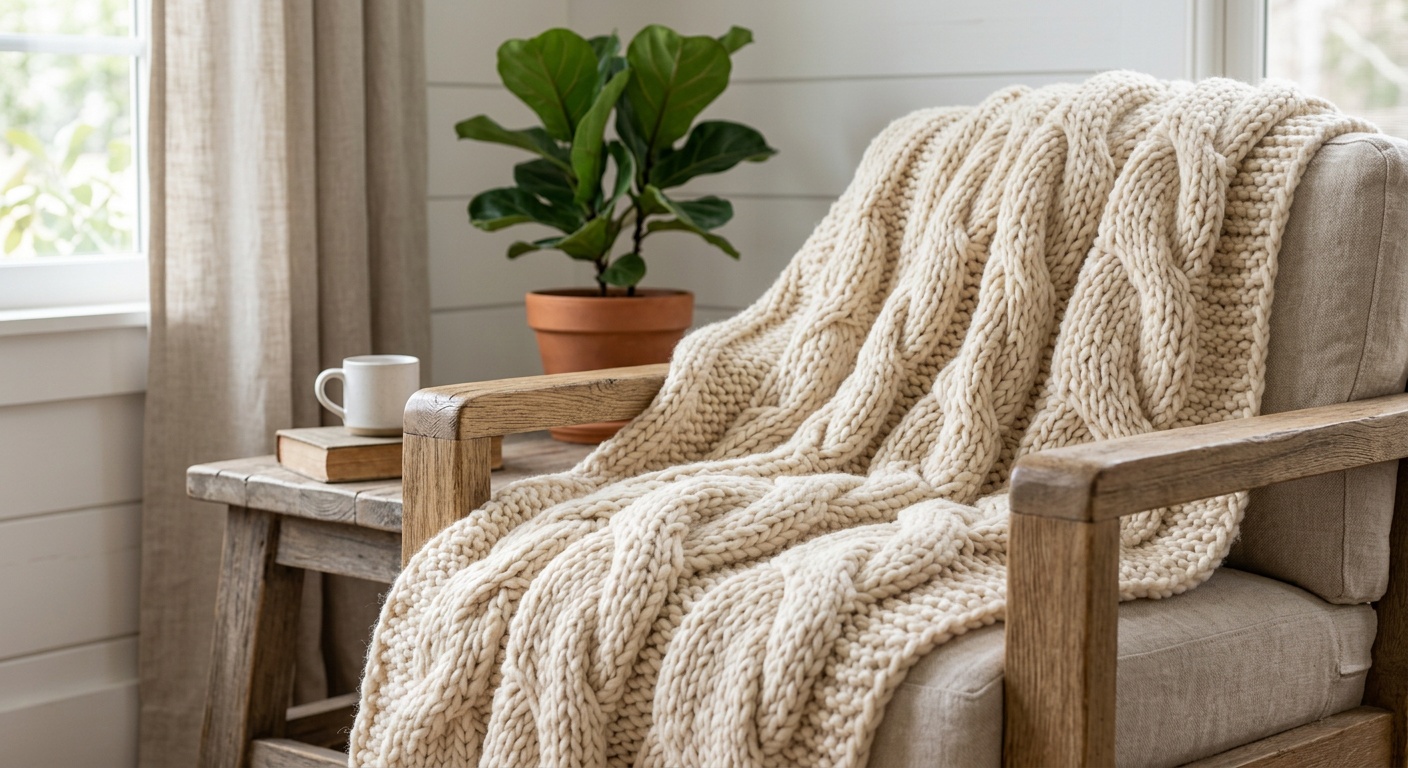
Think about it this way: a sofa is a sofa. But drape a chunky, oatmeal-colored knit throw over one arm and scatter three perfectly mismatched cushions across the seats, and suddenly that sofa becomes a destination. Textiles add:
- Acoustic warmth — Soft surfaces absorb sound, reducing echo and creating a quieter, more intimate atmosphere
- Visual texture — Layered fabrics create depth that paint and furniture alone cannot achieve
- Thermal comfort — Rugs insulate floors, while curtains reduce heat loss in winter and block solar gain in summer
- Seasonal flexibility — Unlike repainting walls or buying new furniture, swapping textiles is affordable and fast
- Personal expression — Patterns, colors, and materials reveal personality in a way that structural elements rarely can
Pro Tip: If you’re working with a limited budget, invest first in a quality area rug and two sets of interchangeable cushion covers. These two elements alone can give a room two completely different seasonal identities without significant cost.
A Seasonal Strategy: Rotating Textiles Year-Round
One of the most underutilized strategies in home styling is the deliberate, seasonal rotation of textiles. Just as you change your wardrobe with the weather, your living room deserves the same thoughtful transition. In 2026, the concept of a “textile wardrobe for your home” has become a genuine interior design movement, popularized by lifestyle influencers and interior stylists alike.
Winter: Embrace Depth and Warmth
Winter textiles are all about maximizing coziness — what the Danish call hygge and the Norwegians call koselig. This is the season to go bold with layering. Start with a thick, plush area rug — wool or wool-blend options are ideal. Add a faux fur or sherpa throw draped over your sofa, and bring in cushions in jewel tones like deep burgundy, forest green, and midnight navy.
Case Study — The Bergström Family Home (Stockholm, 2025): Interior stylist Elin Bergström documented her family’s living room transformation on her popular design blog. By replacing their summer linen cushion covers with velvet alternatives in emerald and rust, adding a Moroccan-style wool rug over their existing hardwood floors, and hanging blackout velvet curtains, the family reported feeling “physically warmer and emotionally calmer” within the first week — without touching the thermostat setting. Their energy bill data even showed a modest 6% reduction in heating costs attributed to the added insulation of the textile layers.
Key winter textile picks:
- Wool or cashmere throw blankets (chunky knit styles remain a top search trend in 2026)
- Velvet, mohair, or faux fur cushion covers
- Heavy curtains in rich, dark tones
- Layered rugs — a flat-weave base beneath a high-pile accent rug
Spring: Lighten Up and Breathe
Spring is about transition. You’re shedding the weight of winter without yet embracing the full brightness of summer. In textile terms, this means introducing pastels, botanical prints, and lighter-weight fabrics — cotton, linen blends, and light wool. The key is to maintain warmth in your palette while letting go of heavy layering.
Remove your faux fur throw and replace it with a woven cotton blanket in sage green or dusty rose. Swap blackout curtains for sheer linen panels that allow natural light to filter through while maintaining some privacy. Introduce cushions with botanical or abstract floral patterns — in 2026, biophilic design principles continue to dominate, and nature-inspired textiles are central to that movement.
Key spring textile picks:
- Lightweight cotton or linen throws in muted greens, lilacs, or creams
- Sheer curtains or light cotton drapes
- Botanical print cushions
- A jute or seagrass rug for texture without heaviness
Summer: Minimal, Fresh, and Breathable
Summer living rooms call for restraint. The goal is to create a space that feels cool and airy — visually, thermally, and emotionally. Strip back to fewer textile layers and choose fabrics that breathe. Natural fibers dominate here: cotton, linen, and bamboo blends are your best friends.
In summer, your curtains do double duty — blocking harsh afternoon sunlight while still feeling light and breezy. Opt for white or off-white linen curtains with a subtle weave. For cushions, choose clean, minimal designs in crisp whites, ocean blues, terracotta, or sandy neutrals. A flat-weave cotton rug or a bamboo mat keeps things grounded without adding thermal mass.
Autumn: Harvest Richness and Textural Transition
Autumn is arguably the most exciting season for textile enthusiasts. It’s when you begin reintroducing warmth, layering, and richness without going full winter. Think rust, amber, burnt orange, deep teal, and warm camel tones. Textured fabrics like bouclé, herringbone, and waffle-knit cotton start making their return.
This is also the season to reintroduce your area rug if you stored it for summer. Layer it beneath a smaller, warmer accent rug and begin adding cushion covers in autumnal prints — plaid, check, and abstract leaf patterns are all on-trend for autumn 2026 according to the Home Textiles Today Trend Report.
Matching Textiles to Your Interior Style
Your seasonal strategy needs to work within — not against — your room’s design language. Here’s how the most popular 2026 interior styles translate into textile choices:
Japandi (Japanese-Scandinavian Fusion)
Japandi continues to dominate in 2026, and its textile language is one of restrained elegance. Think natural fibers in neutral tones — undyed linen, organic cotton, and raw silk. Avoid heavy patterns; instead, let texture do the talking. A single, beautifully woven throw or a handcrafted ceramic-look cushion in muted grey is more impactful than five competing patterns.
Japandi textile rule of thumb: If you’re unsure whether to add another textile element, don’t. Restraint is the philosophy.
Maximalist Eclecticism
At the opposite end of the spectrum, maximalist living rooms embrace textile abundance. The key here is intentional chaos — mixing patterns, colors, and textures in a way that feels curated rather than cluttered. A Persian rug beneath a velvet sofa with kilim cushions, a macramé wall hanging, and a fringed throw creates a layered narrative. In 2026, maximalism has matured beyond “more is more” to “more with meaning.”
Modern Organic
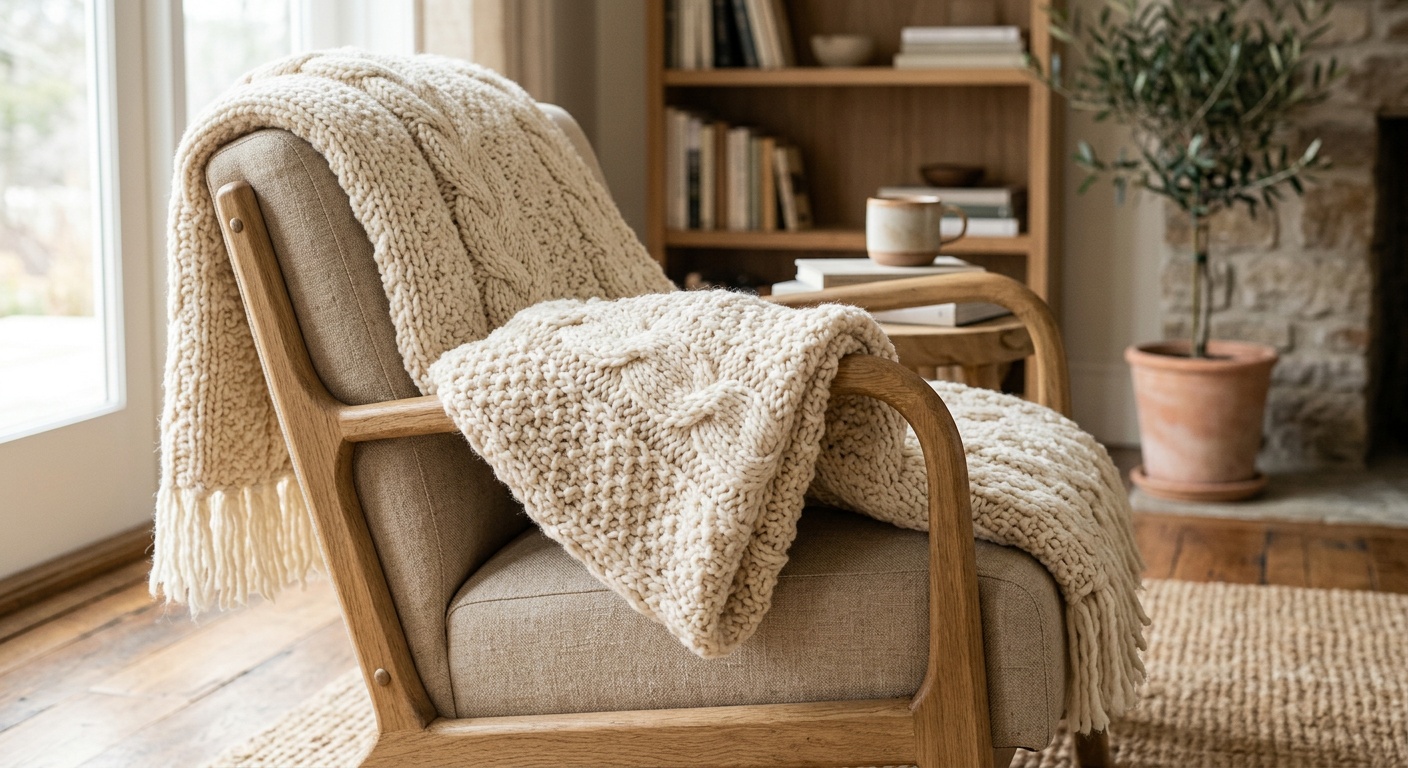
Modern Organic — sometimes called “Warm Minimalism” — is perhaps the most versatile interior style for textile layering. It combines the clean lines of contemporary design with the warmth of natural materials. Bouclé sofas are the signature statement piece here, complemented by chunky linen throws, simple geometric rugs in sand and terracotta, and cushions in earthy, nature-inspired tones.
Coastal and Mediterranean
Coastal-inspired living rooms lean into white, blue, and natural woven textures. Rattan accents, cotton rope décor, striped linen cushions, and whitewashed rugs all tell the same breezy story. In 2026, Mediterranean coastal design has expanded beyond the expected nautical palette to include warm terracotta, sun-bleached sage, and sandy gold — creating a more sophisticated, less theme-park coastal vibe.
Materials Matter: Choosing the Right Fabric
Not all textiles are created equal, and in 2026, fabric literacy is increasingly important — not just for aesthetics, but for sustainability and longevity. According to the 2025 Sustainable Home Living Index, 62% of consumers now consider environmental impact when purchasing home textiles, a significant jump from 41% in 2022.
Here’s a quick breakdown of the most common living room textile materials and their best-use cases:
- Wool: Naturally insulating, durable, and biodegradable. Ideal for rugs, throws, and winter cushion covers. Look for GOTS-certified wool or recycled wool options.
- Linen: A breathable, durable natural fiber that gets softer with every wash. Perfect for curtains, cushion covers, and summer throws. One of the most eco-friendly fabric choices available.
- Cotton: Versatile and affordable. Available in dozens of weaves and weights. Choose organic cotton where possible to avoid pesticide-heavy conventional production.
- Velvet: Luxurious and warm, but requires careful maintenance. Best used in lower-traffic textile applications — cushion covers and throws rather than rugs. In 2026, cotton velvet has largely replaced polyester velvet as the preferred sustainable option.
- Bouclé: A looped, textured yarn fabric that has become the defining material of the modern organic interior movement. Durable and visually striking. Primarily used in upholstery but increasingly seen in cushions and throws.
- Jute and Sisal: Coarse natural fibers ideal for layered rugs. Naturally biodegradable and extremely durable. Works best in low-moisture environments.
- Recycled and Upcycled Fabrics: In 2026, recycled PET fabrics (made from plastic bottles), deadstock fabric cushions, and upcycled vintage textile throws have all entered the mainstream home décor market at scale.
The Art of Layering Textiles
The single most transformative skill in living room textile design isn’t choosing the right fabric — it’s learning how to layer multiple textiles together coherently. Professional interior designers follow a framework that you can easily adopt at home.
The Three-Layer System:
- Foundation Layer: Your area rug. This sets the tone for the entire room and should be the largest, most neutral textile in the space. As a rule, choose a rug that’s at least large enough for all key furniture legs to rest on or around it.
- Mid Layer: Your sofa throws and curtains. These should relate tonally to your foundation layer while introducing either a complementary color or a contrasting texture.
- Accent Layer: Your cushions, table runners, and small decorative textiles. This is where you can be bold, experimental, and seasonal. Swap these out freely without disrupting the harmony of your foundation and mid layers.
Case Study — The Thompson Apartment Refresh (Chicago, 2026): Interior consultant Maya Thompson worked with a young professional couple whose downtown Chicago apartment felt cold and impersonal despite expensive furniture. Their issue? All their textiles sat in the same layer — three identical cushions on a sofa, no rug, and bare windows. Maya introduced a neutral wool area rug as a foundation, warm linen curtains as a mid-layer, and a carefully curated mix of five cushions in varying sizes, textures, and tonal shades as the accent layer. The transformation took under four hours and cost less than $400. The couple described the result as “unrecognizable in the best possible way.”
Pattern Mixing Rules: If you’re mixing patterns across your accent layer, follow the 60-30-10 principle — 60% of your cushions in a dominant neutral or solid, 30% in a medium-scale pattern, and 10% in a bold or contrasting pattern. This formula creates visual interest without chaos.
2026 Textile Trend Popularity: What Homeowners Are Searching For
Based on aggregated search trend data and consumer survey results from the Home Décor Insights 2026 Annual Report, here’s a snapshot of the most popular living room textile categories this year:
2026 Living Room Textile Search Trend Index
Source: Home Décor Insights 2026 Annual Report. Index scores reflect relative search volume and consumer interest (base 100).
Textile Comparison Table by Season and Style
| Season / Style | Best Fabrics | Key Colors | Top Textile Items | Avg. Budget Range |
|---|---|---|---|---|
| Winter | Wool, velvet, faux fur | Burgundy, navy, forest green | Chunky throws, velvet cushions, heavy curtains | $150–$600 |
| Spring | Linen, cotton, light wool | Sage, dusty rose, cream | Woven throws, sheer curtains, botanical cushions | $100–$400 |
| Summer | Cotton, linen, bamboo | White, ocean blue, terracotta | Flat-weave rugs, linen drapes, minimal cushions | $80–$300 |
| Autumn | Bouclé, herringbone, waffle knit | Rust, amber, camel, deep teal | Plaid cushions, layered rugs, textured throws | $120–$500 |
| Japandi Style | Undyed linen, raw silk, organic cotton | Warm grey, off-white, sand | Minimal throws, handwoven cushions, natural rugs | $200–$800 |
Common Challenges and How to Solve Them
Challenge 1: Textiles That Look Good in the Store but Wrong at Home
This is one of the most common frustrations homeowners face. A cushion looks perfect under showroom lighting but clashes horribly with your existing sofa once you get it home. The solution is to always test textiles against your existing pieces before committing. Order fabric swatches before purchasing cushion covers online, or photograph your current textiles and bring those photos shopping with you. In 2026, many major home textile retailers — including Zara Home, H&M Home, and IKEA — offer augmented reality preview tools through their apps that let you visualize new textiles in your actual room using your smartphone camera.
Challenge 2: Textiles That Look Flat and Uninspiring
A room that feels “fine but not cozy” usually suffers from textile monotony — all the fabrics are the same weight, same sheen, and same texture. The fix is to deliberately introduce contrast. Pair matte with shiny (a cotton throw next to a satin-edged cushion), rough with smooth (a jute rug beneath a velvet footstool), and flat with dimensional (a flat-weave rug layered under a high-pile shag). Texture contrast is what creates the visual and tactile richness that makes a room feel genuinely inviting.
Challenge 3: Seasonal Textile Storage
If you’re rotating textiles seasonally — which we highly recommend — storage becomes a practical concern. Heavy wool throws and velvet cushion covers take up significant space when not in use. The solution is threefold: first, invest in vacuum storage bags for bulky items like duvets and thick throws. Second, use your out-of-season textiles as additional guest bedroom layers or secondary room accents. Third, curate ruthlessly — only keep textiles you genuinely love and will rotate back in. If something has sat unused for two full seasons, it’s time to donate or repurpose it.
Frequently Asked Questions
How many cushions should I have on my living room sofa?
There’s no single correct number, but a practical guideline is to aim for an odd number — typically 3, 5, or 7 — which tends to look more natural and curated than even numbers. For a standard three-seater sofa, five cushions (two large, two medium, one small accent) creates a well-proportioned arrangement. For a sectional sofa, seven to nine cushions in a deliberate mix of sizes and textures achieves a layered, intentional look. The key is that each cushion should serve a visual purpose — avoid filling space for the sake of it.
What’s the most sustainable textile choice for a living room rug?
In 2026, the most sustainable rug options include: certified organic wool (look for the Global Organic Textile Standard or GOTS certification), recycled PET rugs (made from post-consumer plastic bottles and increasingly indistinguishable from conventional pile rugs in terms of look and feel), and natural fiber rugs made from jute, sisal, or seagrass. Avoid rugs with synthetic latex backing, as this is difficult to recycle. If budget allows, a high-quality natural wool rug will outlast most synthetic alternatives by a decade or more, making it genuinely sustainable in lifecycle terms even if the upfront cost is higher.
Can I mix different rug styles in the same living room?
Absolutely — and in 2026, rug layering is one of the most popular interior design techniques precisely because it works so well. The golden rule of rug layering is contrast: pair a flat-weave base rug with a higher-pile accent rug on top, or combine a geometric-patterned foundation rug with a more organic, textural accent. Size matters too — your base rug should be significantly larger than your accent rug to maintain visual hierarchy. A jute or sisal flat-weave base paired with a smaller Moroccan-style Beni Ourain accent rug is one of the most universally successful combinations across multiple interior styles.
Your Cozy Living Room Textile Checklist: Next Steps
You now have a comprehensive framework for transforming your living room through intentional textile choices — season by season, style by style. Here’s your action-oriented roadmap to implement what you’ve learned:
- Step 1 — Audit what you have. Pull out every textile currently in your living room — cushions, throws, curtains, rugs. Evaluate each one honestly: Does it still serve your current style? Does it belong to a coherent layer? Is it in good condition? Donate or repurpose anything that doesn’t pass this test.
- Step 2 — Define your style anchor. Choose one interior style as your guiding framework (Japandi, Modern Organic, Coastal, Maximalist). This doesn’t mean every single item must conform — but your dominant textiles should speak the same design language.
- Step 3 — Build your foundation. Invest in a quality area rug that anchors your space and is neutral enough to work across multiple seasons. This is where most of your textile budget should go.
- Step 4 — Create your textile wardrobe. Buy two sets of cushion covers and one or two throws for contrasting seasons — at minimum, one warm-season set and one cool-season set. Store them properly between rotations.
- Step 5 — Layer with intention. Apply the three-layer framework (foundation, mid-layer, accent) and the 60-30-10 pattern mixing rule every time you style your space.
As sustainable design continues to reshape how we shop for and care for home textiles through 2026 and beyond, the most future-forward approach is also the most timeless: choose quality over quantity, natural over synthetic where possible, and always prioritize how a space makes you feel over how it photographs.
Your living room is the room where you recover, connect, celebrate, and simply exist. The textiles you choose for it are one of the most personal, meaningful décor decisions you’ll make. So here’s the question worth sitting with: Which season of your life is your living room currently dressed for — and is that still where you are?