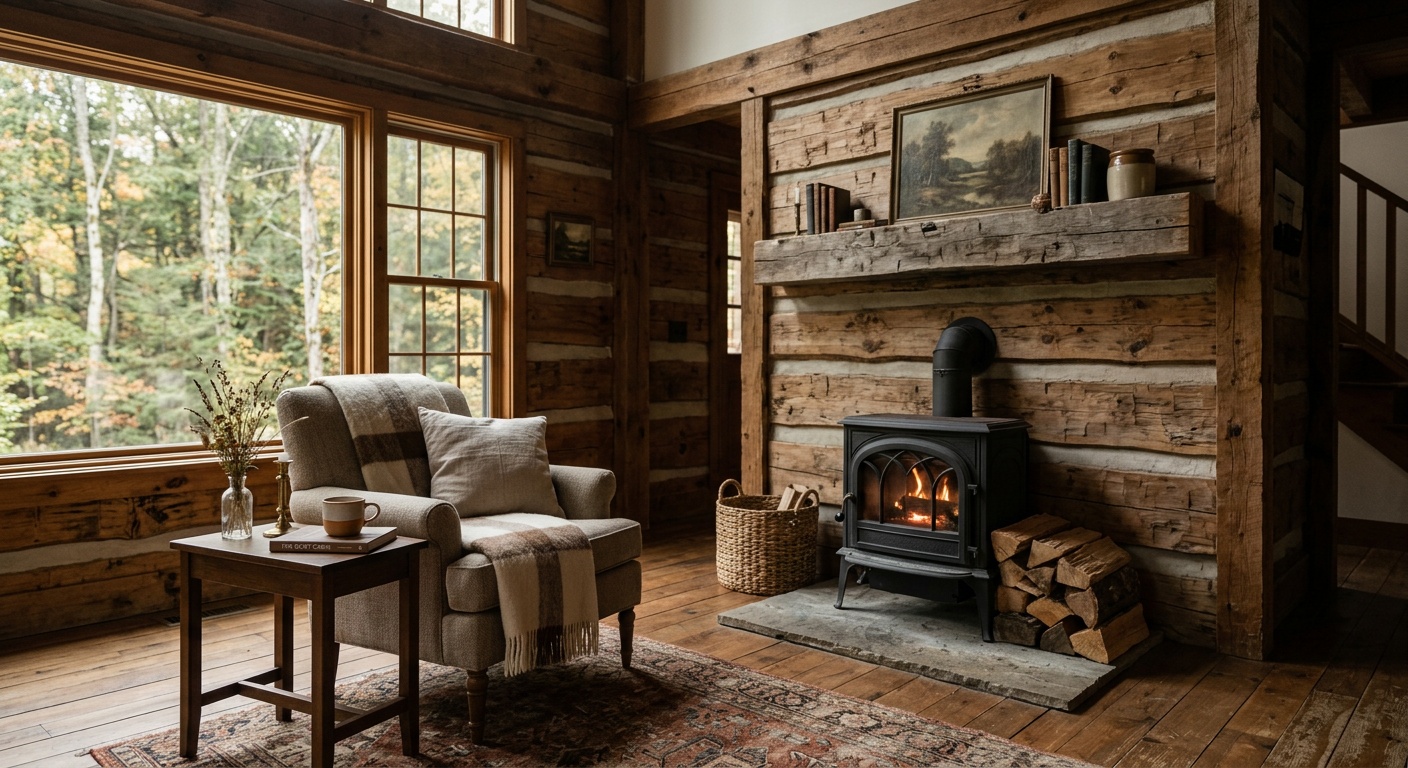
Cozy Cabin Interior Ideas for a Rustic Home Aesthetic
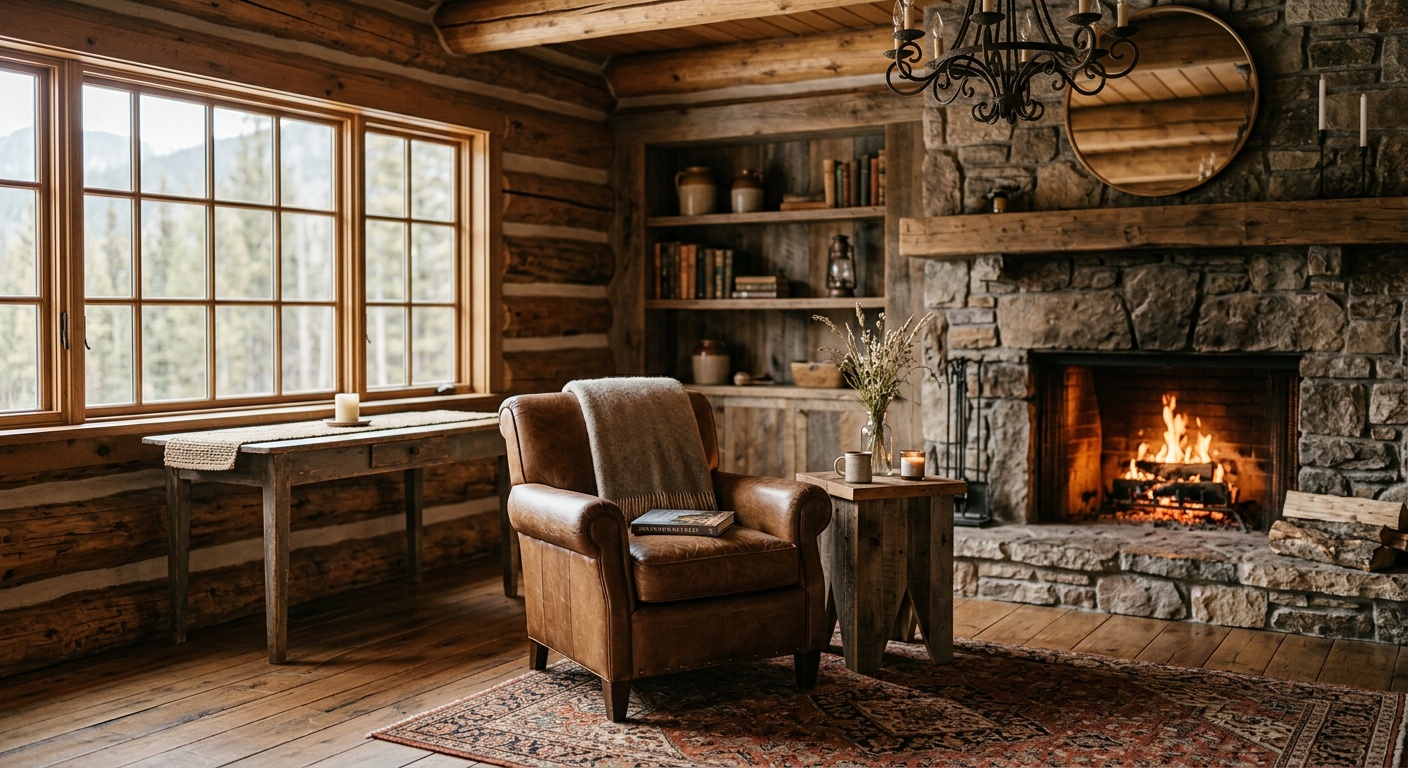
Cozy Cabin Interior Ideas for a Rustic Home Aesthetic
Reading time: 12 minutes
There’s something almost magnetic about a well-designed cabin interior. The moment you step inside — warm wood tones underfoot, the soft crackle of a fire, wool throws draped casually over a weathered armchair — every worry from the outside world seems to dissolve. In 2026, the rustic cabin aesthetic isn’t just a design trend. It’s a full-blown lifestyle response to the relentless pace of modern living.
According to a 2025 Houzz Interior Design Survey, searches for “rustic cabin interiors” increased by 47% year-over-year, with homeowners citing comfort, authenticity, and connection to nature as their top motivators. Whether you’re renovating a lakeside retreat, redesigning a mountain getaway, or simply transforming your suburban home into a cozy woodland-inspired haven, this guide is your practical roadmap.
Well, here’s the straight talk: Creating a genuinely cozy cabin aesthetic isn’t about buying the right throw pillow — it’s about layering texture, light, materials, and intention in ways that feel effortlessly lived-in.
Table of Contents
- The Foundations of Rustic Cabin Design
- Key Materials That Define the Aesthetic
- Living Room Ideas: Where Comfort Meets Character
- Bedroom Retreats: Sleeping in the Forest
- Rustic Kitchen and Dining Spaces
- Lighting Strategies for Warmth and Ambiance
- Common Challenges and How to Overcome Them
- Rustic Style Comparison Table
- Cabin Design Popularity by Room
- Frequently Asked Questions
- Your Cabin Transformation Roadmap
The Foundations of Rustic Cabin Design
Before you start sourcing reclaimed wood beams or hand-stitched quilts, it’s worth understanding what truly defines the rustic cabin aesthetic at its core. The style draws from a long tradition of functional, handcrafted, nature-forward living. Think early American frontier homesteads, Scandinavian hytte cottages, and Alpine chalets — each culture developed its own version of “cozy meets practical.”
In 2026, the modern rustic cabin aesthetic has evolved into something more intentional. Interior designers are blending traditional cabin elements with contemporary sensibilities — what many now call “Refined Rustic” or “Modern Cabin” design. This means you can have exposed log walls and a sleek, minimalist kitchen island. You can enjoy handwoven textiles and smart home lighting systems.
Core Design Principles to Anchor Your Space
Every successful rustic cabin interior is built on a few non-negotiable principles:
- Natural materials take center stage. Wood, stone, leather, linen, wool, and iron form the material palette. Synthetics, when used, should mimic organic textures convincingly.
- Warmth is non-negotiable. Warm color temperatures in lighting (2700K–3000K) paired with earth tones on walls and furnishings create that enveloping, fire-lit feeling.
- Imperfection is beautiful. Knots in wood, uneven stone grout, slightly mismatched vintage furniture — these “flaws” are features, not bugs.
- Layers create depth. A single throw on a sofa feels sparse. Three different textured layers — a chunky knit, a faux fur accent, and a linen base — feel genuinely inviting.
- Function follows form. Cabin interiors were originally designed for hardworking families. Storage baskets, sturdy furniture, and multi-purpose pieces honor that legacy.
Quick Scenario: Imagine you’re standing in a bare-walled rental cabin. The bones are there — pitched ceiling, wooden floors — but it feels cold and generic. Where do you start? The answer is almost always: start with your surfaces and your light.
Key Materials That Define the Aesthetic
Material selection is where rustic cabin design either soars or stumbles. The right combination of natural textures transforms a space; the wrong mix simply looks muddy or forced.
Wood: The Soul of Every Cabin Interior
Wood is, without question, the defining material of rustic cabin design. But not all wood is created equal in this context. The type, finish, and application of wood dramatically influence the final atmosphere.
- Reclaimed barn wood: Ideal for accent walls, floating shelves, and coffee tables. Its weathered grain and silver-grey tones add instant age and character.
- Live-edge slabs: Perfect for dining tables and mantlepieces. The natural, irregular edge of a live-edge walnut or maple table becomes a conversation piece.
- Exposed ceiling beams: Whether genuine structural beams or decorative faux-wood alternatives, overhead beams dramatically transform a room’s personality. In 2025, faux wood beam installations grew by 32% in residential projects, according to the National Association of Home Builders.
- Wide-plank hardwood floors: Oak, hickory, and pine are perennial favorites. Hand-scraped or wire-brushed finishes add texture and mask everyday wear beautifully.
Pro Tip: Mix two or three different wood tones intentionally. The common fear of “wood clashing” is overblown — in cabin design, varied tones create richness. Just ensure at least one dominant wood tone anchors the space.
Stone, Iron, and Textile Accents
Beyond wood, a thoughtful cabin interior incorporates:
- Natural stone: A fieldstone fireplace surround or stacked slate feature wall immediately grounds a room in nature. Even a simple stone tile backsplash in a kitchen reads as authentically rustic.
- Wrought iron and blackened steel: Hardware, light fixtures, curtain rods, and fireplace tools in matte black or aged iron add industrial-meets-wilderness contrast.
- Wool, linen, and cotton textiles: In 2026, sustainable, natural-fiber textiles have surged in popularity. Chunky wool throws from small-batch producers, organic linen curtains, and hand-loomed cotton rugs are both aesthetically appropriate and environmentally conscious.
- Leather: A well-worn leather armchair or leather-handled storage basket ages gracefully and gets better with use — a perfect metaphor for the entire aesthetic.
Living Room Ideas: Where Comfort Meets Character
The living room is the heart of any cabin. It’s where everyone gathers after a cold hike, where stories get told over steaming mugs, where the dog curls up closest to the fire. Every design decision here should reinforce that sense of welcomed belonging.
Case Study — The Henderson Family Lakehouse (Minnesota, 2025): The Henderson family renovated a 1,400-square-foot lakeside cabin with a deliberate “Refined Rustic” approach. Their living room transformation focused on three moves: installing a floor-to-ceiling stacked stone fireplace, laying wide-plank white oak flooring, and anchoring the seating area with a massive hand-knotted jute rug. The result? Interior design photographer Maya Cole described it as “the kind of room you forget to leave.” Total renovation cost: $18,500 — a fraction of what a full luxury redesign would run.
Furniture Selection for the Rustic Living Room
Choose furniture that feels substantial and permanent. Avoid anything too sleek, leggy, or contemporary in silhouette. Look for:
- Deep-seat sofas with loose linen or canvas slipcovers in oatmeal, forest green, or navy
- Oversized leather club chairs or wingback chairs upholstered in tweed or herringbone wool
- Solid wood coffee tables — ideally with visible joinery or a live-edge surface
- Woven storage ottomans that double as footrests, coffee tables, and blanket storage
- Vintage or antique accent pieces: a weathered trunk, an old milk-painted side table, a tobacco basket hung on the wall
The Fireplace: Non-Negotiable Focal Point
If your cabin has a working fireplace or wood-burning stove, it should be the undisputed focal point of the room. In 2026, wood-burning insert installations have seen a 21% uptick as homeowners prioritize off-grid heating backup options alongside aesthetic appeal. If you’re working without a real fireplace, an ethanol or electric fireplace insert set into a stone or reclaimed wood surround delivers surprisingly convincing warmth — both visual and literal.
Bedroom Retreats: Sleeping in the Forest
The rustic cabin bedroom should feel like sleeping inside a treehouse. The goal is total sensory immersion — softness underfoot, warmth overhead, dim golden light, and the quiet suggestion of the natural world just outside the window.
The Bed as Sanctuary: A platform bed built from reclaimed Douglas fir, or a four-poster bed with rough-hewn posts, instantly sets the tone. Layer the bedding generously: start with high-thread-count cotton sheets, add a lightweight quilt, then a heavier wool or down duvet, and finish with a chunky knit throw at the foot. The visual effect of layered bedding signals rest, warmth, and abundance.
- Headboards: Consider a reclaimed wood headboard, a woven rattan panel, or even a wallpapered shiplap feature wall behind the bed
- Nightstands: Tree stump side tables, raw-edge wood floating shelves, or vintage wooden crates all work beautifully
- Flooring: Add a sheepskin rug or a hand-woven wool rug bedside — the first foot-contact in the morning matters more than you’d think
- Window treatments: Linen blackout curtains in warm cream or deep evergreen allow morning light control while maintaining the organic palette
Color Palette Note: Bedroom walls in a cabin aesthetic work best in deep, earthy hues or warm neutrals. In 2026, Sherwin-Williams’ trending cabin colors include Aged Barrel (a warm mocha brown), Evergreen Fog (a muted sage), and Antique White — each of which pairs beautifully with natural wood tones.
Rustic Kitchen and Dining Spaces
The cabin kitchen should feel like the place where someone just baked bread. Warm, slightly imperfect, and stocked with honest tools. The rustic kitchen aesthetic balances practicality with visual warmth.
Kitchen Design Elements That Work
In 2025, kitchen designer Clara Vance of Studio Northwood noted in Architectural Digest: “The most successful rustic kitchens I design aren’t trying to look rustic — they’re trying to look real. Every material has a reason to be there.” That philosophy translates directly into design choices:
- Cabinetry: Inset-style cabinets in painted wood (white, sage, navy, or warm grey) with antique brass or black iron hardware. Open shelving on one wall displays everyday ceramics and cast iron cookware as decorative elements.
- Countertops: Butcher block is the quintessential rustic kitchen surface — warm, carvable, and repairable. Honed black granite or soapstone offers a durable, sophisticated alternative with similar organic appeal.
- Backsplash: Subway tile in a handmade, slightly irregular format, or stacked stone, adds tactile interest without overwhelming the space.
- Appliances: Matte black or stainless steel appliances blend more naturally than high-gloss finishes. In 2026, cottage-style ranges (like the La Cornue Château line or the SMEG Portofino series) have become accessible aspirational anchors for cabin kitchens.
The Dining Space: Built for Long Conversations
A farmhouse-style dining table — ideally in solid oak, pine, or walnut — should be sized generously. Cabin dining is about gathering. Pair it with mismatched chairs (a bench on one side is visually interesting and space-efficient), light with an oversized pendant or antler chandelier, and set the table with mix-and-match stoneware and linen napkins. The imperfect ensemble approach feels far more authentic than a perfectly matched dining set.
Lighting Strategies for Warmth and Ambiance
Lighting may be the single most powerful tool in your cabin design arsenal — and the most frequently underestimated. Overhead lighting alone in a cabin interior is the equivalent of a fluorescent office: functional, but soul-destroying.
The cabin lighting philosophy is layered and intentional:
- Ambient base layer: Recessed lighting with warm-white bulbs (2700K maximum) or a central pendant fixture for general illumination
- Task lighting: Under-cabinet strips in the kitchen, a reading lamp beside the armchair, a swing-arm wall sconce at the bedside
- Accent lighting: Edison-bulb string lights strung across a porch ceiling or over a kitchen window; candles in iron holders on the dining table; a table lamp with a linen shade on a bookshelf
- Firelight: Even a well-placed cluster of pillar candles in a fireplace alcove creates genuine ambiance when the main fire isn’t lit
Pro Tip: Install dimmer switches on every circuit in a cabin. The ability to drop ambient light to 20% in the evening transforms the entire atmosphere at negligible cost — typically $15–$40 per switch.
Common Challenges and How to Overcome Them
Even the most enthusiastic rustic cabin decorator runs into practical obstacles. Here are three of the most common, with direct solutions.
Challenge 1: “It Looks Cluttered, Not Cozy”
There’s a fine line between richly layered and visually chaotic. If your cabin interior feels overwhelming, the likely culprit is scale and repetition — too many small objects competing for attention, or too many different patterns in the same room.
Solution: Apply the “rule of three” to vignettes. Group decorative objects in odd numbers, vary their heights, and ensure they share at least one common material or color. Limit pattern mixing to no more than three per room, and ensure they operate at different scales (large, medium, small).
Challenge 2: “The Space Feels Too Dark”
Dark wood tones and warm wall colors can sometimes create a heavy, cave-like atmosphere — especially in smaller cabins with limited natural light.
Solution: Introduce strategic light-reflective surfaces: a large mirror in a rustic reclaimed frame, white or cream painted ceilings, light linen curtains that allow diffuse natural light in, and pale-toned area rugs. These don’t undermine the rustic aesthetic — they simply balance it.
Challenge 3: “It Feels Like a Set, Not a Home”
When every piece in a cabin interior comes from the same retailer or follows a single trend template, the result can feel manufactured rather than genuinely lived-in. Authentic rustic design is accumulated, not purchased in one afternoon.
Solution: Deliberately introduce pieces from different sources and eras. Mix an antique market find with a quality new purchase and a DIY project. Personal objects — a grandmother’s quilt, a collection of river stones, family photographs in mismatched frames — are irreplaceable in creating authenticity.
Rustic Style Comparison Table
| Style | Primary Materials | Color Palette | Key Mood | Best For |
|---|---|---|---|---|
| Classic Rustic Cabin | Log, stone, wool | Warm earth tones | Cozy & rugged | Mountain retreats |
| Refined Rustic | Reclaimed wood, linen, marble | Warm neutrals + deep accents | Elevated comfort | Year-round homes |
| Scandinavian Cabin | Pine, sheepskin, birch | White, pale grey, natural wood | Hygge & serene | Light-limited spaces |
| Farmhouse Rustic | Shiplap, galvanized metal, cotton | White, cream, soft grey | Airy & nostalgic | Suburban homes |
| Boho Cabin | Rattan, jute, mixed textiles | Terracotta, mustard, forest green | Eclectic & adventurous | Creative, younger owners |
Cabin Design Popularity by Room (2026)
Based on Pinterest trend data and Houzz search analytics from early 2026, here’s how interest in rustic cabin design breaks down by room type:
Source: Houzz Trend Report Q1 2026 & Pinterest Design Analytics, March 2026
Frequently Asked Questions
How do I create a rustic cabin feel in a small apartment without major renovations?
You don’t need exposed log walls or a real fireplace to capture the cabin aesthetic. Start with what you can change easily: replace light bulbs with warm Edison-style alternatives, add layered textiles in wool and linen, introduce a reclaimed wood floating shelf, and hang a large nature-inspired print or a woven wall hanging. A chunky jute rug on hardwood floors and a few carefully placed candles will do more for ambiance than almost any expensive renovation. The key is sensory layering — warmth, texture, and soft light work in any square footage.
What are the most sustainable ways to achieve a rustic cabin aesthetic in 2026?
Sustainability and rustic design are natural allies. In 2026, the most eco-conscious approaches include: sourcing reclaimed or salvaged wood from architectural salvage yards rather than purchasing new; choosing natural fiber textiles (wool, linen, organic cotton) over synthetic alternatives; shopping vintage and antique markets for furniture and accent pieces; and using low-VOC, clay-based, or milk paints on walls. Many cabin aesthetic homeowners in 2026 are also embracing “slow decorating” — accumulating pieces intentionally over time rather than purchasing a complete look in one shopping session.
How do I balance the rustic aesthetic with modern conveniences like smart home technology?
This is one of the most common concerns of the modern cabin owner, and the solution is integration through concealment and material harmony. Smart thermostats in brushed bronze or matte black finishes blend into cabin interiors far better than white plastic versions. Speakers can be integrated into bookshelves or hidden behind decorative objects. Smart lighting systems — controllable via phone — actually enhance the cabin experience by enabling perfect dimming scenarios at the touch of a button. The guiding rule: if a piece of technology can’t be dressed in materials that harmonize with the room, it should be hidden from view.
Your Cabin Transformation Roadmap: From Vision to Reality
Here’s the honest truth about rustic cabin design: the spaces that feel most genuinely cozy are never the result of one massive shopping trip or a single renovation weekend. They evolve. They accumulate. They tell stories in their layers. And that’s precisely what makes them worth creating.
Whether you’re starting from scratch or simply refreshing a space that’s lost its warmth, use this practical roadmap to move forward with clarity:
- Audit your existing space. Identify one or two anchor pieces you already own — a solid wood table, a stone fireplace — and build your layering strategy around what’s already working.
- Establish your material palette. Choose your dominant wood tone, your primary textile, and your accent metal finish before purchasing anything new. This single step prevents 90% of design regret.
- Transform your light first. Change bulbs to warm-white, add at least two table or floor lamps, and install dimmers where possible. Do this before any furniture purchase — light changes everything.
- Layer your textiles intentionally. Add textiles in three stages: a substantial area rug, medium-scale throws and cushions, and then small accent pieces. Give each layer time to settle before adding the next.
- Introduce one statement piece of reclaimed or vintage material. A live-edge coffee table, a salvaged barn door, an antique trunk — one authentic, storied piece elevates an entire room.
In a world increasingly dominated by algorithm-optimized aesthetics and fast-furniture culture, the rustic cabin interior is quietly radical. It asks you to slow down, invest in quality over quantity, and design spaces that feel truly inhabited rather than photographed.
The question worth sitting with: Which single room in your home, if transformed with warmth, texture, and intention, would most change the way you feel at the end of a long day? Start there. Everything else follows.