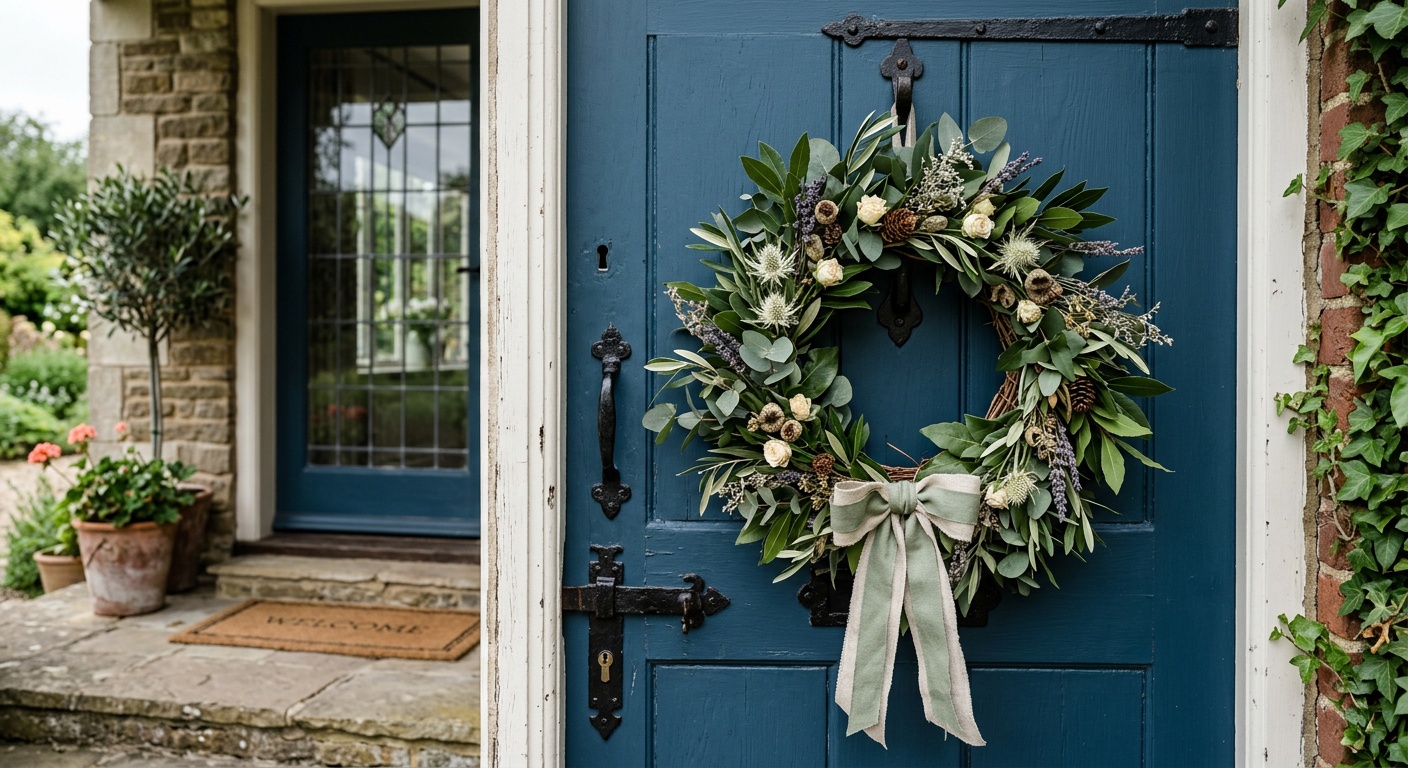
How to Create a Warm and Inviting Front Entrance at Home
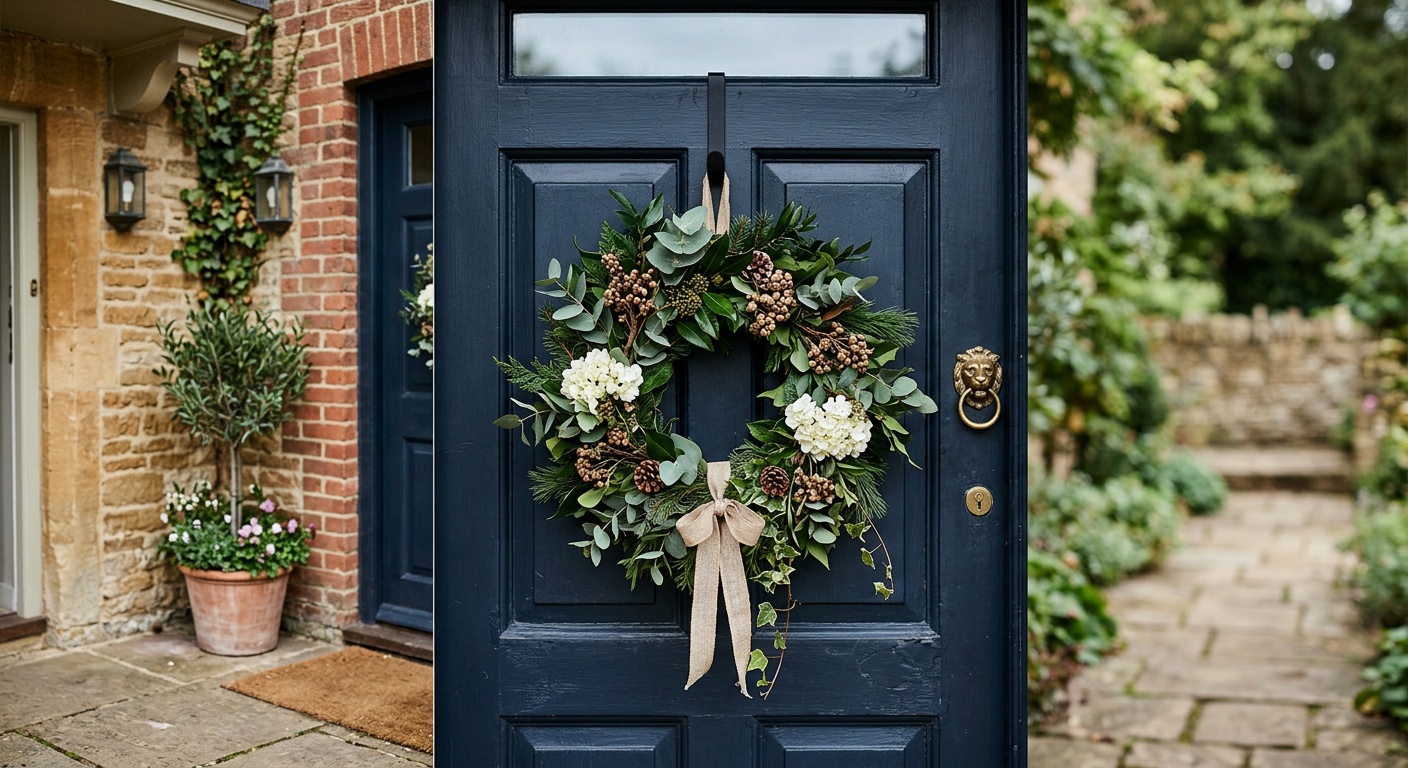
How to Create a Warm and Inviting Front Entrance at Home
Reading time: 12 minutes
Your front entrance is the handshake your home gives to the world — and to you, every single day. It sets the emotional tone before a single door is opened, whispering either “welcome, you belong here” or, unfortunately, “nobody’s thought much about this space.” The good news? Creating a warm, inviting front entrance doesn’t require a full renovation budget or an interior designer on speed dial. It requires intention, a few smart choices, and an understanding of what actually makes a space feel welcoming versus merely functional.
In 2026, with more people working hybrid schedules and spending increased time at home, the front entrance has surged in design significance. According to a 2025 Houzz Renovation Trends Report, 63% of homeowners who renovated in the past year included their entryway in the project — up from 48% in 2023. That’s not a coincidence. The threshold between outside and inside has become one of the most emotionally meaningful spaces in residential design.
Whether you’re starting from scratch, refreshing a tired porch, or simply looking for that missing element that makes guests feel immediately at ease, this guide walks you through everything — from the psychology of first impressions to the specific materials, lighting choices, and styling details that professionals swear by.
Table of Contents
- The Psychology Behind First Impressions
- Lighting: The Secret Weapon of Welcoming Spaces
- Color, Texture, and the Art of Layering
- Plants and Natural Elements That Transform Entrances
- Practical Elements That Don’t Sacrifice Style
- Real-World Examples: Before and After
- What Homeowners Are Prioritizing in 2026
- Front Entrance Style Comparison
- Frequently Asked Questions
- Your Entrance, Reimagined: A Practical Action Plan
The Psychology Behind First Impressions
Before you pick a paint color or order a new doormat, it helps to understand why front entrances matter so deeply on a psychological level. Research in environmental psychology consistently shows that humans form impressions of a space within 90 seconds — and that these impressions are heavily influenced by sensory cues: warmth of light, texture underfoot, the smell of fresh air or flowers, and the visual coherence of what’s in front of them.
Dr. Sally Augustin, an applied environmental psychologist and author of Place Advantage, puts it this way: “Spaces that signal order, care, and natural warmth trigger a neurological sense of safety. The front entrance is where that signal either fires or fails.”
This matters for two distinct audiences: your guests, who form an impression of you and your home in those critical first moments, and yourself — because arriving home to a thoughtfully curated entrance daily affects your mood, stress levels, and sense of identity. A 2025 study from the University of Surrey found that homeowners who rated their entryway as “welcoming” reported 22% lower end-of-day stress scores compared to those who described it as cluttered or uninviting.
What “Welcoming” Actually Signals
A warm entrance communicates several things simultaneously: care (someone maintains this space), personality (this home belongs to real people with taste and values), and comfort (you are invited, not merely permitted, to enter). Achieving all three doesn’t require expensive fixtures. It requires strategic layering of elements that each carry their own emotional weight.
Think of your entrance design like a conversation opener. A great conversation starter is specific, genuine, and leaves the other person wanting to know more. Your entrance should do the same — offer a glimpse of the warmth within, without giving everything away at once.
Lighting: The Secret Weapon of Welcoming Spaces
If there’s one element professional designers cite as the most transformative and most underestimated in front entrance design, it’s lighting. Natural light is ideal during the day, but evenings and cloudy days demand a well-considered artificial lighting strategy that evokes warmth rather than security-camera surveillance.
Choosing the Right Color Temperature
Light color temperature is measured in Kelvins. For a warm, inviting front entrance, you want to stay firmly in the 2700K–3000K range — this is the amber-toned warmth associated with candlelight and traditional incandescent bulbs. Lights above 4000K veer into cool, clinical territory that feels more like a hospital corridor than a welcoming home.
In 2026, smart bulb systems like Philips Hue’s Gradient Ambiance line and LIFX’s outdoor-rated Outdoor series allow homeowners to program their entrance lighting to shift automatically — warmer tones at sunset, gentle dimming after 10 PM. These systems have dropped significantly in price, with starter kits available from around $45–$80, making them accessible for most budgets.
Practical tip: Layer your lighting. A combination of overhead fixtures (pendant lanterns or flush-mounted ceiling lights for a covered porch), wall sconces flanking the door, and low-level pathway lighting creates depth and dimension that a single overhead light simply cannot achieve.
The Case for Lantern-Style Fixtures
There’s a reason lantern-style pendant and wall lights remain perennially popular for front entrances: they reference fire, one of humanity’s oldest associations with safety and gathering. A matte black or aged brass lantern with a clear or seeded glass panel casts light in a pattern that feels organic and human-scale — exactly what your entrance needs.
In contrast, recessed can lighting, while clean and modern in interior spaces, often creates a flat, shadowless effect at the entrance that reads as impersonal. If you’re working with an existing recessed setup, compensate by adding flanking wall sconces and paying close attention to bulb temperature.
Color, Texture, and the Art of Layering
Color psychology at the front door is a well-documented field, and in 2026 the design conversation has evolved beyond simply “paint your door a bold color.” It’s about creating a cohesive visual narrative from the street to the threshold — one that uses color, material, and texture as deliberate storytelling tools.
Front door colors that consistently perform well in terms of perceived warmth include:
- Deep navy or forest green: Signal tradition, trustworthiness, and calm confidence
- Terracotta or warm rust: Evoke Mediterranean warmth and earthy, grounded energy
- Matte black: Sophisticated and bold, works beautifully as a contrast to lighter facades
- Burgundy or deep plum: Rich and intimate, particularly effective on craftsman or Victorian-style homes
- Classic white or cream: Timeless and clean, especially when framed by contrasting architectural details
The critical insight here is context. A terracotta door might feel perfectly at home on a stucco bungalow in Santa Fe but jarring on a Colonial-style brick home in New England. Your door color should feel like it belongs to the architecture, not fight against it.
Texture as an Emotional Cue
Texture is the element most homeowners underuse in their entrance design, yet it’s one of the most powerful at generating a sense of warmth and depth. Consider layering multiple textures at your entrance:
- A natural fiber doormat (coir or jute) underfoot — tactile, organic, and visually grounding
- Wood elements — a plank-style door, wooden planters, or a small wooden side table — bring organic warmth that metal and concrete cannot replicate
- Stone or brick accents in the pathway or step edging connect the entrance to the natural world
- Woven or rattan accessories — a rattan basket for umbrellas or a woven pendant shade — add artisanal warmth
The goal is to create an entrance that rewards a closer look. Visual interest at multiple scales — from the architectural sweep of the facade down to the detail of a brass door knocker — signals the kind of thoughtfulness that makes people feel they’re entering somewhere truly cared for.
Plants and Natural Elements That Transform Entrances
Nothing signals life, care, and welcome quite like living plants. A 2025 survey by the Garden Industry Association found that 71% of real estate buyers rated the presence of well-maintained plants at the entrance as a significant positive factor in their initial impression of a property. That’s not just about curb appeal for selling — it reflects a deeper human response to greenery as a signal of vitality and nurturing attention.
For a consistently welcoming entrance, consider these plant strategies:
Seasonal Planting for Year-Round Impact
One of the most common mistakes homeowners make is planting for a single season and then letting their entrance go bare. Professional landscapers recommend a “layered seasonal approach” — a core of evergreen structure supplemented by rotating seasonal color.
- Structural evergreens: Boxwood topiaries, ornamental grasses, or dwarf conifers provide year-round form and continuity
- Spring/Summer rotation: Geraniums, petunias, lavender, or impatiens in pots flanking the door
- Autumn: Ornamental kale, chrysanthemums, and mini pumpkins for seasonal warmth
- Winter: Evergreen branches, red-berried holly, and white lights in simple pots create a magical, welcoming effect even in the coldest months
The key is choosing containers that work year-round — large, sturdy planters in neutral tones (stone, terracotta, matte black, or weathered zinc) that complement your door color regardless of what’s planted in them.
Pro tip: Odd numbers work better than even in planting arrangements. Three planters of varying heights, or a grouping of five plants, feels more organic and artfully casual than a perfectly symmetrical pair — though symmetrical flanking pairs on either side of the door remain a classic that always reads as intentional and elegant.
Practical Elements That Don’t Sacrifice Style
Here’s where many well-intentioned entrance designs break down: the practical elements — the mailbox, house numbers, doorbell, security camera, coat hooks, umbrella stand — are treated as afterthoughts rather than design decisions. In 2026, with video doorbells and smart security systems now standard in over 58% of American homes (according to the 2025 Smart Home Market Report), integrating these functional elements elegantly has become an essential design challenge.
The golden rule: every functional element is a design decision.
- House numbers: Oversized, statement house numbers in brushed brass, matte black, or white enamel are both highly readable and architecturally significant. Choose a typeface that complements your home’s style — serif numerals for traditional homes, clean sans-serif for modern ones.
- Mailboxes: If wall-mounted, invest in one that coordinates with your door hardware. If post-mounted, treat it as a design anchor at the property line — a well-chosen mailbox in a coordinating finish sets the tone before anyone even reaches the door.
- Video doorbells: The Ring, Nest, and Eufy models now offer finishes beyond basic black — satin nickel, venetian bronze, and antique brass options allow integration with traditional hardware suites.
- Doormats: Beyond coir naturals, consider layering two mats — a smaller, decorative mat placed on top of a larger, more utilitarian one. This adds visual depth and practically extends the “wiping zone” for muddy shoes.
Door Hardware: The Jewelry of Your Entrance
If your door is the face of your home, the hardware is its jewelry. A mismatched or low-quality handle set undermines even the most beautifully painted door. In 2026, the dominant hardware trends are leaning toward unlacquered or living finishes — aged brass, unlacquered brass, and oil-rubbed bronze — that develop a patina over time rather than maintaining a static, polished look. This gives entrances an authentic, storied quality that resonates with the current design appetite for organic, imperfect beauty.
Invest in solid brass or forged iron hardware if your budget allows. These materials not only look superior but will genuinely outlast chrome-plated zinc alternatives by decades — making them genuinely cost-effective over time despite higher upfront cost.
Real-World Examples: Before and After
Case Study 1: The Overlooked Townhouse Entrance
Sarah and Marcus, homeowners in a Philadelphia rowhouse built in 1928, described their front entrance in 2025 as “a door, a cracked concrete step, and a mailbox that’s seen better decades.” Their renovation budget was modest — $800 total. Here’s what they did:
They painted the original oak door in Farrow & Ball’s Hague Blue (a deep, sophisticated navy), replaced the existing brass hardware with unlacquered brass from Rejuvenation, added two black cast-iron planters with white petunias and trailing ivy, installed two vintage-style Edison-bulb wall sconces in matte black, and placed an oversized jute doormat with a geometric border. The result? Guests now consistently remark on the entrance before even commenting on the interior. Total spend: $780.
The lesson: Strategic investment in a few high-impact elements outperforms spreading a small budget thin across many mediocre improvements.
Case Study 2: The Suburban Colonial That Got It Right
In contrast, consider the approach taken by landscape designer Priya Mehta when she redesigned the entrance of a 1990s Colonial-style home in Westchester, New York, for clients with a more generous $4,500 budget. Rather than a wholesale renovation, she focused on four specific interventions: professional exterior painting (navy body, crisp white trim, deep red door), the installation of path lighting using low-voltage brass bollard lights, a symmetrical planting scheme of two standard-trained olive topiaries flanking the door with seasonal underplanting, and the replacement of generic builder-grade hardware with a premium brass suite including a large oval door knocker. The transformation was so striking that the home sold eight months later for $34,000 above asking price — and the estate agent specifically cited the entrance in listing materials.
What Homeowners Are Prioritizing in 2026
Based on 2025 renovation survey data from Houzz, HomeAdvisor, and the National Association of Realtors, here’s how homeowners are allocating attention and budget to their front entrance improvements:
Front Entrance Improvement Priorities (2026)
Sources: Houzz 2025 Renovation Report, HomeAdvisor 2025 Survey, NAR 2025 Home Improvement Data
Front Entrance Style Comparison
Not all entrance styles are created equal — and your home’s architecture should guide your design choices. Here’s a comparative overview of the most popular 2026 entrance aesthetics:
| Style | Best For | Key Elements | Approx. Budget | Warmth Rating |
|---|---|---|---|---|
| Classic Traditional | Colonial, Georgian, Craftsman homes | Lantern sconces, topiary, brass hardware, bold door color | $800–$3,000 | ⭐⭐⭐⭐⭐ |
| Modern Minimalist | Contemporary, mid-century, flat-roof homes | Architectural lighting, statement numbers, architectural plants | $1,200–$4,500 | ⭐⭐⭐ |
| Cottage / Farmhouse | Bungalows, Cape Cods, rural homes | Climbing roses, wreath, barn-style lanterns, painted wood door | $400–$1,800 | ⭐⭐⭐⭐⭐ |
| Mediterranean / Tuscan | Stucco, Spanish Revival, adobe homes | Terracotta pots, iron hardware, olive trees, tiled steps | $900–$3,500 | ⭐⭐⭐⭐⭐ |
| Scandinavian / Nordic | Clean-lined modern or timber-frame homes | Warm wood cladding, neutral tones, birch trees, pendant lighting | $600–$2,200 | ⭐⭐⭐⭐ |
Frequently Asked Questions
How much should I realistically budget for transforming a front entrance?
The range is genuinely wide, but the most important principle is strategic concentration. You’ll see far more impact from spending $600 thoughtfully on three high-impact elements (door paint, new hardware, and two quality planters) than from spreading $1,500 across ten minor updates. According to 2025 data from the National Association of Realtors, curb appeal improvements including entrance upgrades return an average of 94 cents on every dollar spent in terms of added home value — making them one of the strongest ROI home improvement categories available. For a meaningful but budget-conscious transformation, plan for $400–$1,000. For a thorough, polished result, $1,500–$3,500 covers most scenarios without professional landscaping. With landscaping, allow $3,000–$8,000.
What’s the single most impactful change I can make to my front entrance right now?
If you can only do one thing, paint your front door. It is, consistently and across all price points, the highest-impact single intervention available in front entrance design. A fresh coat of quality exterior paint in a deliberate, well-chosen color costs $50–$150 in materials for a DIY application, takes a weekend, and can dramatically alter the personality and perceived quality of your entire home’s exterior. Choose a color that harmonizes with your facade and trim while providing enough contrast to read clearly from the street. In 2026, deep jewel tones — sapphire, forest green, burgundy — and classic matte black continue to dominate the most-recommended front door palettes from designers across the United States and Europe.
How do I make my front entrance feel welcoming in a small or urban space where I have very little room?
Small entrances benefit enormously from vertical thinking and sensory layering. When floor space is limited, go upward: wall-mounted planters, a climbing plant trained on a trellis, a statement wall sconce at eye level, and a beautiful hanging lantern above all draw the eye up and create a sense of height and generosity even in a narrow townhouse entry. A single, beautifully chosen element — a stunning oversized house number, one large terracotta pot with a lush olive tree, or a custom-painted door in an unexpected color — can carry an entire small entrance. The goal in a constrained space is edited richness: one or two things done really, really well rather than many things competing for attention.
Your Entrance, Reimagined: A Practical Action Plan
Here’s the straight talk: a warm, inviting front entrance isn’t about following a formula. It’s about making deliberate choices — choices that reflect who lives inside, respect the architecture of the home, and signal genuine care to everyone who approaches. The homes that consistently earn the “wow, I love your entrance” comment aren’t the ones with the biggest budgets. They’re the ones where someone actually thought about it.
As hybrid living continues to reshape how we relate to our homes in 2026, the front entrance is emerging as a kind of daily ritual space — the place where you transition between the pressures of the outside world and the sanctuary of home. Investing in it is, in the truest sense, investing in your own wellbeing.
Your five-step action plan for the next 30 days:
- Audit and photograph your current entrance from the street at different times of day and evening. See it with fresh eyes — or ask a trusted friend for their honest first impression.
- Identify your three highest-impact opportunities — usually door color, lighting, and plants — and focus your initial budget and energy there.
- Choose a color palette and material family (warm tones/brass/natural fiber vs. cool tones/iron/stone) and commit to it across all new elements for visual coherence.
- Make one “statement” investment — a quality hardware set, a large topiary in a beautiful pot, or a custom lantern — that anchors the whole entrance and everything else supports.
- Plan for seasonal variation from the start. Choose containers and structural plants that work year-round, and schedule two seasonal rotations per year to keep the entrance feeling alive and tended.
The broader trend is clear: in 2026 and beyond, as more of us invest emotionally and practically in our homes, the entrance is no longer an afterthought — it’s an opening statement. The design choices you make there ripple outward into how guests perceive your hospitality and inward into how you feel arriving home each day.
So ask yourself this: what does your front entrance say about you right now — and is that the story you actually want to tell?